
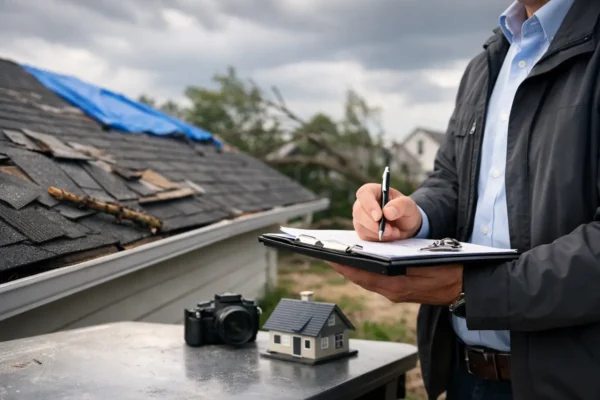

A roof insurance claim often starts with a moment homeowners know well in Colorado Springs: the storm passes, the sky clears, and you notice shingles in the yard or dark spots on the ceiling. The next steps can feel uncertain, especially when damage is not obvious from the ground. Acting promptly, documenting what you see, and getting a professional inspection can help you protect your home without making rushed decisions.
Storm damage is not always a full roof replacement. Hail can bruise or crack shingles, high winds can lift or remove them, and heavy rain can expose a weak point that was already there. What your insurance covers depends on your policy, the cause of damage, your deductible, and the condition of the roof before the storm. No shortcuts. No surprises. A clear process gives you the best chance to understand your options.
Start Your Roof Insurance Claim With Safety and Documentation
Before you call your carrier, make sure the home is safe. If water is entering the house, move belongings away from the affected area and place a container under an active leak if you can do so safely. Do not climb onto the roof, walk on loose shingles, or attempt a repair that could put you at risk.
Take photos and short videos from the ground of anything you can see: missing shingles, damaged gutters, fallen branches, torn window screens, siding marks, or water stains inside the home. Include wide shots that show the overall area and closer images that capture the damage. If you know the date of the storm, write it down along with the approximate time and any weather alerts you received.
Keep a simple record of every conversation and expense related to the damage. Save receipts for emergency measures such as temporary tarping or water removal. Most policies require homeowners to take reasonable steps to prevent additional damage after a loss, but permanent repairs should usually wait until the insurance company has had an opportunity to inspect the property. Emergency protection and a full replacement are not the same thing.
It is also wise to review your policy before filing. Look for your wind and hail deductible, replacement cost versus actual cash value language, and any roof-specific endorsements. In many Colorado policies, the wind and hail deductible is higher than the standard deductible. Knowing that number early can prevent an unpleasant surprise later.
Get a Professional Roof Inspection Before You Decide
A reputable local roofing contractor can inspect the roof, document storm-related concerns, and explain what they find in plain language. This is helpful because hail impacts, lifted shingles, granule loss, and damaged flashing are easy to miss from the driveway. Just as important, an inspection may show that a repair is the more sensible answer.
Be cautious with anyone who promises that insurance will pay for a new roof before inspecting your home and reviewing the facts. No contractor can guarantee coverage. A trustworthy contractor will separate visible storm damage from normal aging, explain the scope of work, and give you room to make an informed choice.
If damage appears to be significant, you can file the claim with your insurance company. Have your policy number, date of loss, description of the storm, and your photos ready. The carrier will assign a claim number and typically schedule an adjuster inspection. Ask how the carrier prefers to receive documents and whether there are deadlines you need to meet.
What Happens During the Insurance Inspection
The insurance adjuster represents the insurance company and assesses the reported damage according to the policy. Your contractor represents your interests as the homeowner by providing construction knowledge, photos, measurements, and an estimate for the work needed. Those roles are different, but a productive meeting can help everyone work from the same facts.
If possible, have your contractor present when the adjuster visits. They can point out damage that may be difficult to spot, discuss code-related requirements, and make sure the adjuster has access to the relevant roof areas. This is not about creating damage or arguing for work that is not needed. It is about giving the inspection a complete, accurate picture.
After the inspection, the carrier may send an estimate called a scope of loss. Read it carefully. It should identify the approved repairs, materials, labor items, and deductible. The first payment may not be the final amount for the project. With replacement cost coverage, insurers often release depreciation after completed work and final documentation. Your contractor can help you understand which portion is due from insurance and which portion is your responsibility.
Understand the Gaps That Can Affect Coverage
Insurance is designed for sudden, accidental damage from covered events. It generally does not pay for wear and tear, poor maintenance, old age, or damage that developed slowly over time. For example, a roof at the end of its service life may need replacement, but that alone is not typically an insurance claim.
There can also be gray areas. A storm may reveal a pre-existing weakness, or a roof may have both hail damage and ordinary deterioration. In those cases, documentation matters. A contractor should be honest about what is storm-related and what is not. That protects you from filing a claim based on assumptions and helps you plan for repairs that may fall outside coverage.
Code upgrades are another area where policies differ. If local building requirements mean that certain components must be updated during a covered repair, coverage may depend on whether your policy includes ordinance or law protection. Ask your agent or claims representative about it rather than assuming every added requirement will be paid.
Choose a Contractor Who Can Work Within the Claim
The lowest estimate is not always the best value after a storm. Your roof is part of a larger exterior system that includes flashing, ventilation, gutters, siding, and the areas around chimneys, skylights, and walls. A rushed repair can leave problems behind where water is most likely to enter.
Look for a licensed and insured local contractor with a physical presence in the community, clear written estimates, and experience coordinating insurance restoration work. Ask who will perform the work, how the property will be protected during construction, what materials are included, and how cleanup will be handled. You should also understand the workmanship warranty and the payment schedule before signing an agreement.
Avoid signing paperwork that gives away control of your claim or pressures you into a decision before you have reviewed the insurer’s scope. You have the right to ask questions, compare information, and choose a contractor you trust. A good contractor will be prepared to explain the process without high-pressure sales tactics.
Tither Roofing and Construction helps Colorado Springs-area homeowners document storm damage, meet with adjusters when needed, and complete covered exterior repairs with clear communication from start to finish.
If Your Roof Insurance Claim Is Denied or Underpaid
A denial is frustrating, but it does not always mean the conversation is over. First, request the carrier’s written explanation and compare it with your contractor’s inspection findings. Sometimes the issue is missing information, a disputed cause of damage, or an item that was not included in the original scope.
You can ask the insurer to review additional photos, measurements, or repair documentation. If new damage is found during approved work, your contractor may submit a supplement for the carrier’s consideration. A supplement is not a blank check. It is a request supported by evidence for work that was necessary but not included initially.
Stay organized and keep communication in writing when possible. If you still disagree with the outcome, review your policy’s dispute process and consider speaking with your insurance agent or a qualified claims professional. The right path depends on the policy and the facts of your specific loss.
Protect the Home While the Claim Moves Forward
Claims can take time, particularly after a widespread hailstorm. While you wait, keep an eye on the attic, ceilings, and exterior areas around the damage. Report new leaks promptly and use safe temporary protection if needed. Do not ignore a small water stain simply because it seems minor. Moisture can affect insulation, framing, drywall, and indoor air quality if it is allowed to continue.
A storm does not have to turn into a long-term headache. Start with accurate information, keep your paperwork together, and work with people who treat your home like it is their own. That steady approach can bring clarity when you need it most.