)
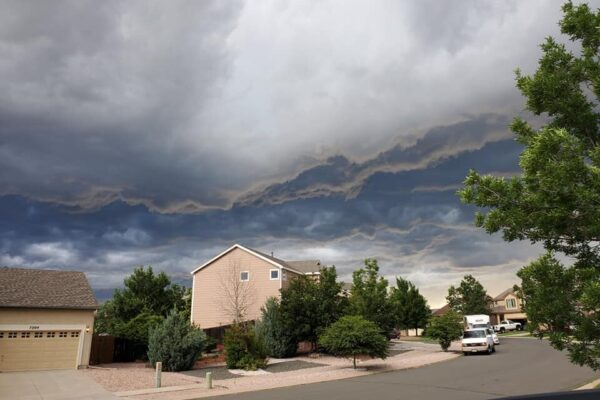
Colorado homeowners are no strangers to severe summer weather. While the warm months bring sunshine, outdoor activities, and beautiful mountain views, they also bring one of the biggest threats to your home’s roof: hailstorms.
Colorado consistently ranks among the states with the highest number of hail events each year. In the Colorado Springs area, a single storm can cause significant roof damage, even if everything appears normal from the ground. Understanding how hail affects your roof and knowing what steps to take after a storm can help protect your home and prevent costly repairs down the road.
Why Colorado Experiences So Much Hail
Colorado’s unique geography and climate create ideal conditions for hail formation. Warm air rising from the plains collides with cooler air descending from the mountains, creating powerful thunderstorms capable of producing large hailstones.
These storms can develop quickly and often bring hail ranging from pea-sized pellets to golf-ball-sized impacts—or larger. Even smaller hailstones can damage roofing materials over time, especially when combined with high winds.
How Hail Damages Your Roof
Not all hail damage is immediately obvious. While severe storms may leave visible signs, many roofs sustain damage that can only be identified through a professional inspection.
Common signs of hail damage include:
- Bruised or cracked asphalt shingles
- Granule loss on roofing materials
- Dented metal flashing, gutters, and vents
- Exposed roofing mat beneath shingles
- Damaged roof vents and skylights
- Water infiltration and future leak risks
When hail strikes your roof, it can weaken the protective layers that shield your home from moisture. Even if no leak develops right away, hidden damage can shorten the lifespan of your roof and lead to larger problems over time.
Signs Your Roof May Have Hail Damage
After a storm passes, homeowners should look for signs that their property may have been affected.
You may notice:
- Dents in gutters or downspouts
- Damage to window screens
- Cracked siding
- Shingle pieces in your yard
- Excessive granules collecting in gutters
- Dents on outdoor furniture, vehicles, or air conditioning units
If you observe these signs around your property, there is a good chance your roof has also sustained damage.
Why You Shouldn’t Inspect the Roof Yourself
Many homeowners are tempted to climb onto their roof after a storm to check for damage. Unfortunately, this can be dangerous and may even worsen existing issues.
Roof surfaces can become slippery, damaged shingles may not support weight properly, and hail damage is often difficult to identify without training.
A professional roofing inspection provides a safe and accurate assessment of your roof’s condition and can identify problems that are not visible from the ground.
What to Do After a Hailstorm
If your home experiences a significant hailstorm, follow these steps:
1. Document Visible Damage
Take photos of any visible damage around your property, including gutters, siding, fences, outdoor equipment, and landscaping.
These photos may be helpful if you need to file an insurance claim.
2. Check for Interior Signs of Leaks
Inspect ceilings, attic spaces, and upper walls for water stains, moisture, or unusual discoloration.
While leaks may not appear immediately, documenting any signs of water intrusion is important.
3. Schedule a Professional Roof Inspection
One of the most important steps after a storm is scheduling a professional roof inspection.
A qualified roofing contractor can identify hail damage, document findings, and help determine whether repairs or replacement may be necessary.
4. Contact Your Insurance Company if Necessary
If significant damage is found, your roofing contractor can often provide documentation that supports your insurance claim.
Understanding the extent of the damage before filing a claim helps ensure the process goes smoothly.
Will Insurance Cover Hail Damage?
In many cases, homeowners insurance policies cover hail-related roof damage. Coverage varies depending on your policy, deductible, roof age, and other factors.
Insurance companies typically require documentation proving the damage was caused by a covered event. This is another reason why a professional inspection is valuable following a severe storm.
If damage is confirmed, Tither Roofing can help guide you through the claims process and answer questions about repairs or replacement options.
Repair or Replace? Understanding Your Options
Not every hail-damaged roof requires full replacement.
Minor damage may only require targeted repairs, while widespread impacts affecting multiple areas of the roof may make replacement the more cost-effective long-term solution.
Factors that influence this decision include:
- Age of the roof
- Extent of damage
- Number of impacted slopes
- Existing wear and tear
- Insurance coverage considerations
Tither Roofing will help you evaluate the best course of action for your home and budget.
Protect Your Home Before Small Problems Become Big Ones
One of the biggest mistakes homeowners make is assuming that no visible leaks mean no damage exists.
Hail damage can weaken roofing materials and create vulnerabilities that worsen over time. By the time water intrusion becomes visible inside the home, repairs are often more extensive and expensive.
Scheduling a professional inspection after a major hailstorm provides peace of mind and helps catch issues before they become serious problems.
Schedule a Professional Roof Inspection with Tither Roofing
Colorado’s summer hail season can take a significant toll on residential roofs. Whether you’ve recently experienced a storm or simply want to ensure your roof is in good condition, a professional inspection is the best way to protect your investment.
At Tither Roofing, we help homeowners throughout Colorado Springs and the surrounding communities identify storm damage, understand their options, and make informed decisions about roof repairs and replacements.
If your neighborhood has recently experienced hail or severe weather, contact our team today to schedule a thorough roof inspection and ensure your home remains protected year-round.