
A roof can look perfectly fine from the driveway and still have problems developing beneath the shingles. In Colorado Springs, where hail, high winds, intense sun, and fast temperature swings are part of life, the answer to how long do roofs last is rarely as simple as a number on a brochure. Your roof’s material matters, but so do its installation, ventilation, maintenance history, and exposure to storms.
For homeowners, the goal is not to replace a roof simply because it reaches a certain birthday. It is to understand its condition, catch damage early, and make a clear decision before a small issue turns into an interior leak or a larger insurance claim. No shortcuts. No surprises.
How long do roofs last by material?
Most Colorado Springs homes have asphalt shingle roofs, but several roofing materials are used across the Front Range. These are useful lifespan ranges under normal conditions, not guarantees. A severe hailstorm can shorten the life of even a relatively new roof.
Asphalt shingles: about 15 to 30 years
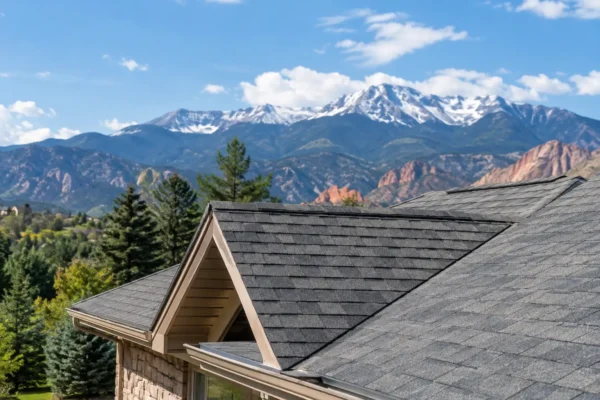
Asphalt shingles are the most common residential roofing choice because they provide dependable protection at a practical price. A basic three-tab shingle may last around 15 to 20 years. Architectural or dimensional shingles are thicker, more durable, and often last 20 to 30 years with proper installation and care.
In our climate, a roof near the lower end of that range is not necessarily poorly made. Repeated hail impacts, wind uplift, and strong ultraviolet exposure at higher elevation can age shingles faster than homeowners expect. Dark streaking, granule loss, curling edges, and exposed nail heads are all signs the roof may be nearing the end of its useful life.
Metal roofing: about 40 to 70 years
A properly installed metal roof can be a long-term option for homeowners who plan to stay in their homes. It stands up well to sun, wind, and snow, and it does not lose granules like asphalt shingles. Metal roofing also sheds snow more readily, though snow guards and proper drainage design may be needed for safety around entryways and walkways.
The trade-off is upfront cost. Metal roofs generally cost more than asphalt shingle systems, and details around flashing, penetrations, and transitions still need skilled installation. A long material lifespan does not make workmanship any less important.
Tile and slate: 50 years or longer
Clay tile, concrete tile, and slate can last for decades, sometimes much longer than standard asphalt shingles. These materials offer a distinct appearance and excellent durability when they are installed on a structure designed to support their weight.
Individual tiles can crack from hail or impact, and slate requires specialized experience to repair correctly. If your home has tile or slate, an inspection should focus on the full system, including underlayment, flashing, and the condition of the roof deck beneath the visible material.
Wood shakes: about 20 to 40 years
Wood shakes bring natural character to a home, but they require regular care and are less common in areas where wildfire risk is a concern. Moisture, moss, splitting, and fire-resistance requirements can affect whether wood is the right choice for a particular property.
Why roofs in Colorado Springs may age faster
A roof does not wear out in a straight line. One season may pass with little change, then a spring hailstorm or a winter wind event may create damage that is not obvious from the ground.
Colorado’s high elevation increases sun exposure. Over time, ultraviolet rays can dry out asphalt shingles and make them more brittle. Sudden temperature changes also cause roofing materials to expand and contract. That movement can gradually weaken seals around vents, chimneys, skylights, and pipe boots.
Hail is another major factor. Hail damage does not always mean visible holes or immediate leaks. On asphalt shingles, impacts can bruise the mat beneath the granules. As granules loosen over time, the shingle loses a layer of protection and may age faster. Wind can lift or crease shingles, break adhesive seals, and allow water to reach areas it should not.
That is why roof age alone is not enough to determine replacement needs. A 10-year-old roof may need insurance-related repairs after a damaging storm, while a well-maintained 20-year-old roof in a protected area may still have useful service life.
The warning signs your roof may be near the end
Homeowners do not need to climb onto the roof to spot every concern. Start by looking for changes from the ground and inside the attic or upper level of the home. Missing shingles, lifted tabs, bald spots where granules are gone, cracked flashing, and sagging roof lines deserve attention.
Inside, look for water stains on ceilings, peeling paint near roof lines, damp attic insulation, or a musty smell after snow or rain. A leak may originate several feet away from the spot where water becomes visible indoors, so it is wise to have the source evaluated rather than patching the ceiling and hoping for the best.
Gutters can offer clues, too. A small amount of granules is normal on a newer roof, but a heavy buildup in gutters or downspouts can indicate shingle wear. Clogged gutters also allow water to back up at the roof edge, creating avoidable stress on shingles, fascia, and siding.
If you notice one of these issues after a storm, do not wait for the next rain event to see whether it gets worse. A prompt inspection can document the condition, identify temporary protection needs, and help you understand whether a repair is practical.
Roof age versus roof condition
Many homeowners ask whether they should replace a roof once it reaches 20 years old. Sometimes that is the right call, but age should start the conversation rather than end it.
A professional assessment considers the number and location of damaged shingles, the condition of flashing and ventilation, previous repairs, signs of leaks, and whether the roof has enough remaining life for a repair to make financial sense. For example, replacing a few shingles on a 12-year-old roof after a minor wind event may be sensible. Performing repeated repairs on a worn roof with widespread granule loss may only delay a replacement that is already coming.
Ventilation has a meaningful effect on longevity as well. When attic heat and moisture are not managed properly, shingles can age prematurely and condensation can affect the roof deck. During a roof evaluation, the visible roofing surface is only part of the picture.
What to do after hail or high winds
After a Colorado storm, take a few practical steps. Walk around your property from the ground and look for fallen shingles, dented metal components, damaged gutters, and debris. Take photos of anything you can safely document. If you see an active leak, move belongings away from the area and use a container to catch dripping water.
Avoid climbing onto the roof, especially when surfaces are wet, icy, or potentially damaged. You could get hurt or cause more damage by walking on compromised shingles.
Then schedule a professional inspection. If damage may be covered, good documentation matters. An experienced local contractor can explain what was found, provide clear repair or replacement recommendations, and help you understand the next steps with your insurance carrier. Insurance policies vary, and coverage depends on the cause and extent of damage, but homeowners should not have to sort through the process alone.
How to help your roof last longer
You cannot control the weather, but routine attention can prevent minor issues from becoming expensive ones. Have the roof inspected after significant hail or wind events and periodically as it ages. Keep gutters and downspouts clear so water can move away from the roofline. Trim branches that scrape the roof or drop heavy debris, and address loose flashing or damaged shingles promptly.
Be careful with quick fixes. Caulk and sealant have their place, but they are not a permanent answer for widespread aging or storm-related damage. The least expensive repair today is not always the most cost-effective decision if it leaves the home vulnerable through another Colorado winter.
Tither Roofing and Construction helps homeowners across Colorado Springs and nearby communities understand the real condition of their roofs, without pressure or confusing jargon. Whether you need a straightforward repair, a storm-damage assessment, or a full replacement plan, a clear inspection gives you a better place to start.
Your roof does not need to be brand-new to protect your home well. It does need to be sound, properly maintained, and checked when Colorado weather gives you a reason to be concerned. A timely inspection can provide peace of mind now and help protect the home you have worked hard to build.