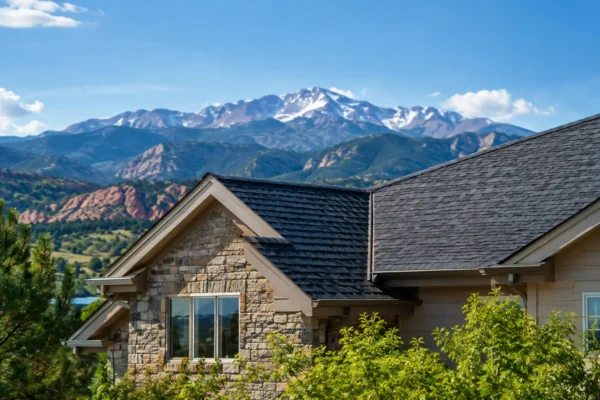

Colorado Springs roofs do more than keep out rain. They stand up to hailstorms that arrive fast, heavy snow, intense sunshine, sharp temperature swings, and wind that can lift weak or aging shingles. That is why choosing the best roofing materials Colorado Springs homeowners can rely on is less about picking the most expensive option and more about matching the material to your home, neighborhood, budget, and long-term plans.
A good roof is a complete system, not just the shingles you see from the street. Quality underlayment, ventilation, flashing, installation, and drainage all affect how well it performs. Still, the roofing material sets the foundation for durability, appearance, maintenance needs, and replacement cost.
What Colorado Springs Weather Demands From a Roof
The Front Range creates a demanding environment for residential roofing. Hail is the concern most homeowners know well, but it is not the only one. Summer UV exposure can dry out and age lower-grade shingles. Winter snow and freeze-thaw cycles put pressure on flashing, valleys, gutters, and areas where water can back up. High winds can expose installation problems long before a roof reaches the end of its expected life.
For that reason, Colorado Springs homeowners should look beyond a basic color or a low initial price. Ask about impact resistance, wind rating, warranty coverage, ventilation requirements, and how a material will look and perform after years of local weather.
Best Roofing Materials for Colorado Springs Homes
Impact-resistant asphalt shingles
For many homes, impact-resistant asphalt shingles are the practical choice. They offer a familiar appearance, work well with a wide range of architectural styles, and generally cost less than premium materials such as metal or tile. Most importantly for our area, many upgraded shingles carry a Class 4 impact rating, the highest common rating for hail resistance.
Class 4 does not mean a roof cannot be damaged by a severe storm. It means the shingle has passed standardized impact testing and is designed to hold up better than conventional shingles. That can be a meaningful advantage when hail is part of life in your neighborhood.
Architectural shingles are thicker and more dimensional than older three-tab shingles. They usually provide a better finished look and stronger wind performance. For homeowners planning to stay in their homes for years, a quality architectural, impact-resistant shingle is often the best balance of protection, curb appeal, and cost.
There are trade-offs. Asphalt still has a shorter life expectancy than metal, and the right product must be installed according to manufacturer specifications. A Class 4 shingle is only as dependable as the roof system underneath it.
Metal roofing
Metal roofing is a strong option for homeowners who want long-term performance and a distinctive look. Standing seam metal roofs are especially valued for their clean lines, durability, and ability to shed snow and rain efficiently. Properly installed metal can perform very well in wind, resist fire, and handle years of sun exposure without the granule loss associated with asphalt shingles.
The upfront investment is higher, sometimes significantly higher. Metal roofs also require experienced installation, careful flashing details, and attention to how snow sheds from the roof. On certain homes, snow guards may be appropriate to help manage sliding snow over walkways, decks, or driveways.
Metal makes sense for homeowners who expect to remain in the home for the long haul, want a premium exterior upgrade, or have a roof design that benefits from its performance. It is not automatically the best choice for every house. If budget and insurance restoration limits are major factors, impact-resistant shingles may offer better value.
Concrete or clay tile
Tile roofs bring a high-end appearance and can last for decades when the roof structure and installation are suited to the material. Concrete tile is common in parts of Colorado Springs, and clay tile offers a classic look that complements certain architectural styles. Both provide excellent fire resistance and can handle strong sunshine well.
Weight is the first consideration. Tile is much heavier than asphalt shingles, so the home must be designed for it or evaluated for proper structural support before installation. Repairs can also be more specialized, and individual tiles may crack from hail or from foot traffic during maintenance.
A tile roof can be an excellent fit, particularly when replacing an existing tile roof. But it is not usually a simple upgrade from shingles. Homeowners should understand the structural requirements and long-term repair considerations before choosing it.
Synthetic composite roofing
Synthetic composite products are designed to resemble slate, shake, or tile while avoiding some of the weight and maintenance concerns of natural materials. Depending on the product, they may offer strong impact resistance, fire ratings, and a premium appearance.
This category can be a smart middle ground for homeowners who want more character than standard shingles but do not want the weight of natural slate or tile. The main consideration is cost. Synthetic roofing typically costs more than asphalt, and product quality varies. It is worth comparing warranties, testing ratings, and manufacturer reputation rather than assuming every composite roof performs the same way.
Wood shake roofing
Wood shake has a distinctive natural look, but it is rarely the easiest choice for homes along the Front Range. It requires more maintenance than asphalt or metal and comes with fire-resistance concerns unless a product is properly treated and installed to meet current requirements. Hail can also split or damage shakes.
For homeowners drawn to the look of wood, synthetic shake products may deliver a similar appearance with fewer maintenance demands. In many cases, that is the more practical route for Colorado Springs weather.
How to Choose the Right Material for Your Home
Start with the reason you are replacing the roof. If recent hail damage led to the conversation, your insurance policy and approved scope of work may shape the options available. Your contractor can help document damage and coordinate with the insurance carrier, but coverage and upgrades depend on the policy and claim details.
Next, consider how long you expect to own the home. A homeowner planning to sell in a few years may prioritize an attractive, durable architectural shingle that fits the neighborhood. Someone building a long-term home may see more value in metal or a premium composite system.
Your roof pitch and design matter too. Steeper roofs often show off dimensional shingles, metal, or synthetic shake beautifully. Low-slope sections may need a different roofing system than the main pitched roof. Complex roofs with valleys, dormers, skylights, or chimneys require extra attention to flashing and water management, regardless of the surface material selected.
Finally, consider the rest of the exterior. A roof replacement is often the right time to assess gutters, siding, windows, and ventilation. Coordinating needed work can help protect the home as a whole and create a more consistent finished appearance.
Ratings That Matter More Than Marketing
When comparing materials, a few details deserve a clear answer from your contractor. Ask whether the shingle or roofing product has a Class 4 impact rating, what wind rating applies to your installation, and what fire classification it carries. Ask what underlayment, ice-and-water protection, flashing, and ventilation are included in the proposal.
Also ask what the workmanship warranty covers and who will be responsible if a concern comes up after installation. Honest pricing means a homeowner should know what is included before work begins, not find out later that essential parts of the roofing system were treated as extras.
Do Not Choose on Material Alone
Even the best product can fail early if the installation is rushed. Poorly nailed shingles, inadequate flashing, blocked ventilation, and neglected gutters can all create leaks or shorten roof life. Local experience matters because a contractor should understand how Colorado Springs weather affects homes from Black Forest to Fountain, Monument, Falcon, and the surrounding communities.
At Tither Roofing and Construction, we help homeowners compare practical options without pressure, inspect storm damage carefully, and provide straightforward guidance through replacement or insurance restoration work. We treat your home like it is our own. No shortcuts. No surprises.
The right roofing material should give you confidence when the next storm rolls over Pikes Peak. Choose a system that fits your home and budget, then make sure it is installed by professionals who will stand behind the work long after the last shingle is in place.