
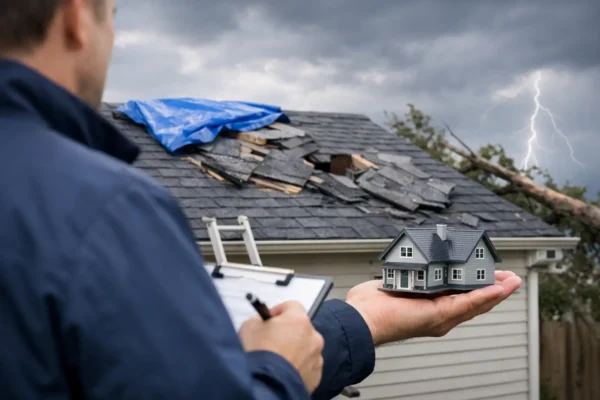

A Colorado hailstorm can leave your yard covered in ice, your gutters dented, and your roof looking perfectly normal from the ground. Then comes the question that keeps homeowners up at night: does insurance cover roof damage? Often, yes – but coverage depends on what caused the damage, what your policy says, and how quickly you document the loss.
A homeowners policy is designed to cover sudden, accidental damage from certain events. It is not a maintenance plan for an aging roof. Knowing the difference can help you make a smart decision before filing a claim and avoid surprises after an adjuster visits your home.
Does Insurance Cover Roof Damage From Hail and Wind?
In many cases, standard homeowners insurance covers roof damage caused by a covered storm event. In Colorado Springs and across the Front Range, that commonly includes hail, high winds, lightning, or a tree that falls onto the roof during a storm.
Hail damage is one of the most common reasons homeowners file a roof claim in our area. Hail can bruise or crack asphalt shingles, knock off protective granules, damage vents, and dent metal flashing. Wind can lift or remove shingles, exposing the roof deck to water. Even when a roof is not leaking right away, these issues can shorten its life and create a path for future water damage.
Coverage generally applies when the damage is sudden and tied to a covered cause of loss. Your carrier will look at the condition of the roof, the storm date, available weather reports, photos, and the adjuster’s inspection. The insurer decides coverage, but a thorough professional inspection can give you clear documentation of what is present on the roof.
What Roof Damage Insurance Usually Does Not Cover
Insurance is less likely to pay when damage results from normal aging, deferred maintenance, poor installation, or a problem that developed slowly over time. For example, worn-out shingles, moss buildup, old flashing, or a long-term leak caused by neglected repairs are typically the homeowner’s responsibility.
That does not mean an older roof can never qualify for a claim. An older roof can still be damaged by a new hailstorm or wind event. The key question is whether there is fresh, storm-related damage rather than ordinary wear.
Insurance may also deny or limit coverage if a roof was already failing, if damage occurred before the policy began, or if the homeowner waits too long to report a claim. Policies differ, so review your declarations page and endorsements instead of relying on a neighbor’s experience. Two homes on the same street can have very different deductibles and roof settlement terms.
Check Your Deductible Before Filing a Claim
Your deductible is the amount you pay out of pocket before insurance contributes. If the covered repair costs less than or only slightly more than your deductible, filing a claim may not make financial sense.
Many Colorado policies have a separate wind or hail deductible. It may be a flat dollar amount, such as $2,500, or a percentage of your home’s insured value. A percentage deductible can be much higher than homeowners expect. If your dwelling coverage is $500,000 and your hail deductible is 1%, your responsibility would be $5,000.
Before you call your carrier, it helps to understand the scope of the damage and get an honest estimate of the work involved. A qualified local roofer can inspect the roof, identify storm-related concerns, and explain whether the visible damage appears significant enough to warrant a claim. No shortcuts. No surprises.
Actual Cash Value vs. Replacement Cost Coverage
The way your policy pays a claim matters as much as whether it is approved. Roof claims are commonly settled under one of two methods: actual cash value or replacement cost value.
Actual cash value, often called ACV, accounts for depreciation. If your roof is older, the insurer subtracts value for its age and condition before issuing payment. That payment may not cover the full cost of replacement.
Replacement cost value, or RCV, is intended to cover the cost of replacing the damaged materials with comparable materials, up to policy limits and after your deductible. With many RCV policies, the carrier pays an initial amount, then releases the recoverable depreciation after the completed work is documented.
Some policies have special roof endorsements, especially for older roofs or certain roofing materials. These may change a roof claim from replacement cost to actual cash value or limit payment for cosmetic damage. Read the policy language or ask your insurance agent to explain how your roof is insured before you need to use it.
What to Do After You Suspect Storm Damage
Start with safety. Do not climb onto your roof after a storm, especially if shingles are loose or the roof is wet. From the ground, look for missing shingles, exposed areas, fallen branches, dents on gutters or downspouts, and debris around the home.
Take photos of what you can safely see, including hailstones if they are still present, damaged screens, siding, windows, fences, and outdoor equipment. Damage to these items can help establish the severity and timing of the storm. Write down the date of the event and save any relevant weather alerts.
Next, arrange a roof inspection with a licensed and insured local contractor. A good inspection should be straightforward, not a high-pressure sales visit. You should receive clear findings, photographs when appropriate, and a plain-language explanation of whether repairs, monitoring, or a claim may be the right next step.
If there is an active leak, take reasonable steps to prevent additional damage. Move belongings away from the affected area, catch dripping water, and use a temporary covering if it can be installed safely. Most policies require homeowners to mitigate further damage, but save receipts and document temporary repairs.
How the Roof Insurance Claim Process Typically Works
Once you decide to file, contact your insurance company directly and open a claim. The carrier will assign a claim number and schedule an adjuster inspection. Be available if possible, and keep copies of photos, contractor notes, estimates, receipts, and communications.
An experienced storm-restoration contractor can meet with the adjuster, point out documented damage, and help make sure the repair scope addresses the affected roofing components. That support does not guarantee a claim approval or change your policy terms. It does help ensure the conversation is based on the actual condition of your home, not guesswork from the ground.
If the claim is approved, review the estimate carefully. It should address more than replacement shingles when those items are damaged or required for proper installation. Depending on the loss, the scope may include underlayment, flashing, ventilation components, drip edge, gutters, or related exterior repairs. Local building code requirements can also affect the work needed to restore the roof correctly.
If the insurer denies the claim or approves only part of the damage, ask for the decision in writing. You can request clarification, provide additional documentation, or ask the carrier to re-inspect when there is a legitimate reason to do so. Stay factual, keep records, and do not sign a contract you do not understand.
A Few Mistakes That Can Make a Roof Claim Harder
The biggest mistake is waiting until a small issue becomes a large interior problem. After a major hail or wind event, schedule an inspection even if you do not see a leak. Storm damage is often subtle at first.
Another mistake is choosing a contractor solely because they promise to “cover your deductible.” That can create legal, financial, and quality concerns. A trustworthy contractor should explain your options, provide transparent pricing, and perform the work described in the approved scope.
Finally, avoid assuming your insurer will replace the entire roof because a neighbor received a replacement. Coverage is based on your policy and your home’s documented damage. An honest assessment protects you from filing a weak claim while giving you confidence to move forward when storm damage is real.
For Colorado Springs homeowners, a roof inspection after severe weather is a practical first step, not a commitment to file a claim. Tither Roofing and Construction can help you understand what happened to your roof, document the condition, and coordinate with your carrier when covered repairs are needed. Your home deserves clear answers and workmanship that treats it like our own.