
A roof replacement is not a small decision in Colorado Springs. Between hail, wind, intense sun, snow, and fast-changing temperatures, your roof needs to do more than look good from the street. When homeowners weigh asphalt shingles versus metal roofing, the right answer usually comes down to the home, the budget, the neighborhood, and what matters most over the years ahead.
Both materials can protect a Colorado home well when they are properly installed. The better choice is not always the most expensive option or the one with the longest advertised lifespan. It is the roof that fits your priorities without creating surprises later.
Asphalt Shingles Versus Metal Roofing: The Big Differences
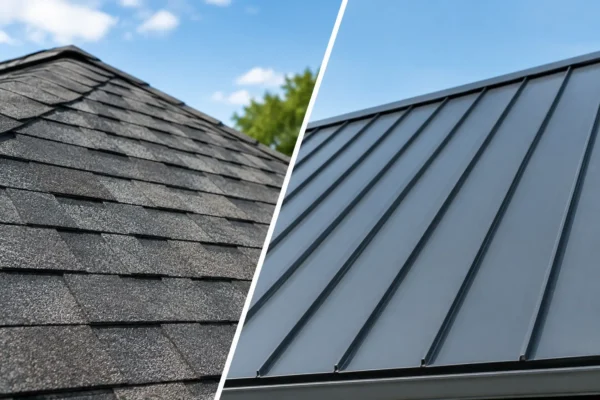
Asphalt shingles remain the most common residential roofing material in the Front Range. They are familiar, versatile, and available in many colors and styles. A quality architectural shingle roof can complement nearly any home, from a ranch house in Falcon to a newer property in Monument.
Metal roofing has become more popular because of its long service life, clean appearance, and strong weather performance. Standing-seam metal roofs, in particular, offer a distinctive look with raised vertical panels. Metal shingles and stone-coated metal options can provide a more traditional appearance while retaining many of metal’s benefits.
The choice is not simply about traditional versus modern. It is about how each system handles local weather, upfront cost, maintenance, insurance considerations, and the years you plan to stay in your home.
Upfront Cost and Long-Term Value
For most homeowners, cost is where the conversation begins. Asphalt shingles generally cost less to install than metal roofing. That lower upfront investment can make shingles a practical choice, especially when replacing a storm-damaged roof or preparing a home for sale.
Metal roofing costs more initially, sometimes substantially more depending on the panel profile, roof complexity, and needed underlayment. A roof with many valleys, dormers, skylights, or steep sections takes more labor no matter which material you choose. Metal requires specialized installation details, and that craftsmanship matters.
Over time, metal may offer stronger long-term value for a homeowner who plans to remain in the house for decades. A properly installed metal roof can last much longer than a typical asphalt shingle roof. But long lifespan alone should not decide the issue. If your roof is likely to experience significant hail damage before it reaches the end of its useful life, insurance coverage, material impact ratings, and repair options all deserve a close look.
A clear, itemized estimate is the best place to start. No shortcuts. No surprises. You should understand what is included in the roofing system, not just the price of the visible material.
Hail, Wind, and Colorado Weather
Colorado weather is demanding, and hail is one of the biggest concerns for local homeowners. Asphalt shingles are available in impact-resistant options, often called Class 4 shingles. These products are designed to better withstand impacts than standard shingles and may qualify for insurance discounts with some carriers.
That does not mean an impact-resistant shingle is hail-proof. Severe hail can still cause damage, and every storm should be evaluated based on the condition of the roof. Granule loss, bruising, cracking, and damaged accessories can affect performance even when the roof looks mostly intact from the ground.
Metal roofing performs well in wind and sheds snow effectively, but hail can dent certain metal panels. A dent may be cosmetic rather than a leak concern, yet cosmetic damage still matters to many homeowners. The thickness and type of metal, the panel design, and the severity of the storm all influence the outcome.
Wind resistance depends heavily on installation. Quality fasteners, flashing, ventilation, edge details, and proper decking preparation are not optional extras. They are part of the system that keeps water and wind where they belong – outside your home.
Snow and Ice Need Planning
Metal roofs can allow snow to slide off quickly, which can reduce heavy snow buildup on the roof. That sounds ideal until sliding snow drops onto a walkway, deck, driveway, landscaping, or lower roof section. Snow guards can help manage that movement and should be planned as part of the installation.
Asphalt shingles typically hold snow in place longer. This can mean slower snow shedding, but it can also avoid the sudden release common with smooth metal panels. Proper attic ventilation and insulation remain important with either material because ice dams begin with heat loss inside the home, not simply with the roofing material.
Appearance and Neighborhood Fit
Asphalt shingles give homeowners the broadest range of familiar residential styles. Architectural shingles can create dimension and shadow lines without overwhelming the rest of the exterior. They also coordinate easily with siding, gutters, trim, windows, and doors when you are planning broader exterior updates.
Metal roofing offers a crisp, distinctive finish that works especially well on contemporary homes, mountain properties, farm-style designs, and homes with simple roof lines. It is not limited to silver or bare metal. Today’s metal roofing comes in many baked-on colors, from charcoal and bronze to deep green and red.
Before choosing a material, consider your home’s architecture and your neighborhood. Some homeowner associations have design requirements. More importantly, choose a roof you will be happy to see every day. A roof is a major protective system, but it is also a large part of your home’s curb appeal.
Maintenance and Repair Considerations
Neither roofing material is maintenance-free. Asphalt roofs benefit from periodic inspections, especially after hail or high winds. Homeowners should watch for missing shingles, exposed nail heads, damaged flashing, granules in gutters, and areas where tree limbs rub against the roof.
Metal roofs need inspections too. Fasteners, sealants, flashing, penetrations, and panel edges should be checked over time. Repairs on metal roofing can require more specialized knowledge because matching panels and preserving the system’s water-shedding details are essential.
For both roof types, clean gutters and clear drainage paths matter. Water that backs up at the roof edge can cause trouble regardless of whether the roof is asphalt or metal. If you are replacing a roof after storm damage, it can also be a smart time to evaluate gutters, siding, and windows for related damage.
Insurance and Storm Damage Questions
Insurance is often part of the roofing decision in Colorado. If a storm damages your current roof, your policy may help cover repair or replacement, subject to your deductible and policy terms. It is wise to review whether your policy pays replacement cost or actual cash value and whether it has special deductibles or material restrictions.
Do not assume a new material will automatically be covered at the same level as the old one. If you want to upgrade from asphalt to metal, the insurance settlement may cover the comparable replacement while you pay the difference for the upgrade. Some insurers offer discounts for certain impact-resistant roofing products, but discounts and requirements vary.
A professional inspection can document storm-related damage and help you understand the condition of the full exterior. Tither Roofing and Construction helps homeowners work through that process with clear communication and hands-on insurance support, so they are not left trying to interpret damage reports alone.
Which Roof Is Right for Your Home?
Asphalt shingles are often the right fit when you want a dependable, attractive roof with a lower initial cost and a wide range of style choices. Choosing a quality architectural, impact-resistant shingle can be especially practical for Front Range homeowners concerned about hail.
Metal roofing may be the better fit when you expect to stay in your home long term, prefer its appearance, and are comfortable making a larger initial investment. It can be an excellent choice for the right house, provided the design accounts for snow retention, flashing details, and local storm exposure.
The material matters, but installation matters just as much. Ask questions, review the scope of work, and make sure your contractor is licensed, insured, and willing to explain the options in plain language. A good roof should give you confidence when the next Colorado storm rolls over the foothills.