
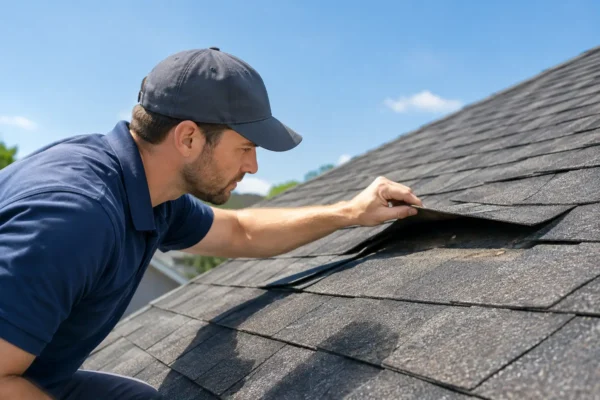

A strong Colorado windstorm can loosen shingles without leaving an obvious pile of debris in the yard. Knowing how to identify wind lifted shingles early can help you address a small repair before water reaches the layers beneath your roof. The goal is not to climb onto your roof after every storm. It is to know what to look for safely from the ground and when a professional inspection makes sense.
What Wind-Lifted Shingles Look Like
Wind can catch the lower edge of a shingle and pull it upward. Sometimes the shingle settles back into place, but the seal beneath it may be broken. Other times, the shingle remains raised, creased, cracked, or partially detached.
From the ground, wind lifting often makes a roof look uneven. Look for shingle edges that appear curled, wavy, or lifted higher than the surrounding rows. You may notice a dark line beneath a shingle where it no longer lies flat, especially when the sun is low and casts shadows across the roof.
A missing shingle is the clearest sign of damage, but it is not the only concern. A shingle that is still present but no longer sealed can allow future wind and moisture to work underneath it. On a roof with dark asphalt shingles, these changes can be difficult to spot from the driveway. A pair of binoculars used from the ground can help, but do not rely on a distant view alone if you suspect storm damage.
Where Wind Damage Usually Starts
Wind pressure is not equal across the entire roof. The edges, corners, ridge line, valleys, and areas around vents are usually more vulnerable than the middle of a broad roof slope. These locations experience more force during gusts and deserve a closer look after a severe storm.
Pay attention to shingles near the roofline and around chimneys, skylights, pipe boots, and attic vents. Flashing or sealant may be affected along with the shingles. If a storm has bent a metal vent cap, loosened fascia, or pulled gutter sections away from the home, your roof may have taken more wind exposure than is visible from the ground.
Homes in exposed areas of Colorado Springs, Monument, Falcon, Peyton, and Black Forest can be especially vulnerable. Wind can come through quickly after a weather front, and a roof that has already been weakened by age, hail, or past repairs may be more likely to lift.
Signs You Can Check From the Ground
You do not need roofing experience to notice changes around your home. Start with a slow walk around the property once conditions are safe. Look at each roof slope from more than one angle, since lighting can hide lifted edges on one side of the house.
Watch for these signs after high winds:
- Shingles that appear lifted, curled, creased, cracked, or out of alignment
- Bare spots where shingles are missing or where lighter underlayment is visible
- Granules collecting in gutters, at downspouts, or on the ground below roof edges
- Pieces of shingles, roofing nails, flashing, or vent material in the yard
- Loose gutters, damaged fascia, bent metal trim, or displaced roof vents
- Water stains on ceilings, damp attic insulation, or a musty odor indoors
Granules alone do not always mean wind damage. Asphalt shingles naturally shed some granules as they age, and hail can also cause granule loss. But a sudden increase after a storm, particularly near a section of visibly disturbed shingles, is worth having checked.
Inside the home, inspect the attic only if you can do so safely. Use a flashlight and look for fresh water marks on framing, damp insulation, or daylight coming through the roof deck. Water does not always drip directly below the damaged area. It can travel along decking or framing before becoming visible, so even a stain in a hallway or bedroom can point to a roof issue farther upslope.
How to Identify Wind Lifted Shingles Without Climbing Up
Climbing onto a roof is risky, especially after a storm. Wet shingles, loose granules, steep pitches, and hidden damage can turn a quick look into a serious fall. A professional has the equipment and training to inspect the roof surface safely.
Homeowners can still gather useful information from the ground. Take clear photos of the roof from several angles, along with any debris in the yard and visible damage to gutters or siding. If you find a shingle on the ground, save it if possible. Its color and condition may help during an inspection or insurance claim.
Also make a simple note of the storm date and what you observed. Write down whether you heard shingles flapping, saw debris blow from the roof, or noticed a new ceiling stain after the event. This record can be helpful if damage is later found and you need to discuss the timing with your insurance carrier.
Avoid trying to glue, nail, or press a lifted shingle back down yourself. A shingle may look easy to secure, but improper fastening can create another opening for water. A roof repair should also address the broken seal, damaged fasteners, and any underlayment concerns beneath the affected area.
Why a Lifted Shingle Can Become a Bigger Problem
A lifted shingle is not just a cosmetic issue. Shingles are designed to overlap and shed water down the roof. When wind breaks that layered seal, wind-driven rain can reach the nail line, underlayment, and roof decking.
The extent of the risk depends on the age of the roof, the amount of lifting, the slope, and the weather that follows. A single minor lift on a newer roof may be a straightforward repair. Multiple creased shingles after a major wind event can indicate broader damage, particularly if the adhesive strips have failed across several roof slopes.
Colorado weather adds another concern. A roof that is compromised by wind can be exposed to rain, snow, freeze-thaw cycles, and future hail. Moisture caught beneath damaged shingles may eventually cause deck deterioration, insulation problems, or interior repairs that cost more than addressing the roof promptly.
When to Call for a Professional Inspection
Call for an inspection if you see missing shingles, raised rows, exposed roofing material, loose flashing, interior moisture, or debris that appears to have come from the roof. It is also wise to schedule an inspection after a storm with strong gusts if your roof is older, has a history of repairs, or was already showing signs of wear.
A thorough inspection looks beyond the shingle surface. A qualified roofing professional can check the condition of seal strips, fasteners, vents, flashing, pipe boots, gutters, and roof decking where accessible. They can tell you whether the issue calls for a targeted repair, a temporary protective measure, or a larger insurance-supported restoration.
Be cautious with anyone who promises a free roof or pressures you to sign paperwork before explaining the damage. Honest guidance starts with clear findings, photos when appropriate, and a straightforward explanation of your options. No shortcuts. No surprises.
If storm damage may be covered, documentation matters. A contractor experienced with insurance restoration can help identify damage, prepare the needed information, and communicate with the carrier without making promises about claim approval. Tither Roofing and Construction helps local homeowners navigate that process while keeping the focus on the repairs their homes actually need.
Protect Your Roof Between Storms
Regular maintenance makes wind damage easier to catch and less likely to spread. Keep gutters clear so water can drain away from the roof edge, trim tree limbs that could scrape shingles, and replace damaged fascia or loose gutter sections before the next storm. If you are planning exterior work such as new gutters, siding, or windows, it can also be a good time to assess the roof as part of the whole home exterior.
After every major wind event, give your home a calm, careful look from the ground. A few minutes of attention can reveal a concern while it is still manageable, protect your home from the next round of Colorado weather, and give you confidence about what to do next.