
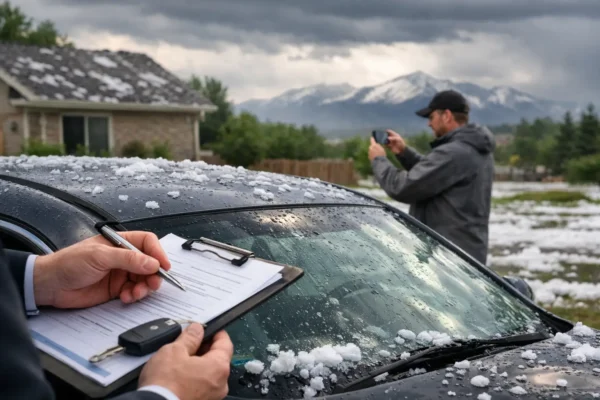

Hail can turn a quiet Colorado afternoon into a costly problem in a matter of minutes. You may see dents in gutters or torn screens right away, but roof damage is often harder to spot from the ground. Knowing how to file a hail claim promptly and carefully can help you protect your home, avoid missed deadlines, and get the covered repairs your policy provides.
The goal is not to rush into a repair decision. It is to create a clear record of the storm, understand what your insurer needs, and have a qualified local professional inspect the damage before small issues become leaks or larger repairs. No shortcuts. No surprises.
Start With Safety and a Basic Damage Check
After the storm passes, look over your property from the ground. Do not climb onto the roof, especially if it is wet, steep, or visibly damaged. Hail can bruise shingles without creating an obvious hole, and walking on a compromised roof can cause injuries or additional damage.
Take photos and short videos of what you can safely see. Look for dented metal vents, gutters, downspouts, window screens, garage doors, siding, fencing, and outdoor equipment. These items can help establish that hail hit your property, even when roof damage is not visible from below.
If you have an active leak, place a bucket under the water and move furniture or valuables away from the area. Photograph the interior damage before making temporary adjustments. If emergency protection is needed, such as a tarp, save every receipt and keep a record of who performed the work. Your policy may cover reasonable temporary measures taken to prevent further damage.
Review Your Policy Before You File a Hail Claim
Pull out your homeowners insurance policy or log into your carrier portal. You do not need to become an insurance expert, but a few details will help you have a more productive first conversation.
Check your deductible, which is the amount you pay before covered insurance funds apply. In Colorado, some policies have a separate wind or hail deductible, sometimes calculated as a percentage of your dwelling coverage rather than a flat dollar amount. That distinction can significantly affect your out-of-pocket cost.
Also review the policy’s deadline for reporting storm damage. Many policies require claims to be reported within a certain period after the date of loss. Filing quickly is generally wise, but do not guess at the storm date. Use local weather reports, neighborhood messages, or your insurance carrier’s guidance to identify the correct date if needed.
Coverage varies by policy. Some policies pay replacement cost, while others account for depreciation and pay actual cash value first. Some have special provisions for roof materials. A contractor can explain the damage and repair scope, but your insurer makes the final coverage decision.
Get a Professional Storm-Damage Inspection
Before or shortly after opening the claim, schedule a professional inspection from a licensed, insured local roofing contractor. An experienced inspector can look for hail strikes, shingle granule loss, cracked mats, damaged flashing, soft metal impacts, and related damage to gutters, siding, or vents.
This step matters because hail damage can be easy to confuse with normal aging, foot traffic, manufacturing defects, or other wear. A thorough inspection gives you a clear picture of what happened and whether filing a claim makes financial sense based on your deductible and the likely repair scope.
Ask for documentation of the findings, including photos and a written explanation in plain language. Be cautious with anyone who pressures you to sign paperwork at the door, promises to waive your deductible, or guarantees what your insurance company will pay. A trustworthy contractor should give you information, answer questions, and let you make an informed decision.
Open the Claim With Your Insurance Carrier
Once you decide to move forward, contact your insurance company directly using the phone number on your policy card or through its official app or portal. Provide the date of the storm, your address, a brief description of the damage, and any immediate steps you took to protect the home.
Keep the description factual. For example: “Hail damaged our gutters and roof, and we would like an inspection.” You do not need to diagnose the roofing system or estimate the final cost yourself.
Your carrier will provide a claim number and explain the next steps. Write down the name and contact information of the representative, the date and time of the call, and any deadlines they mention. Store photos, invoices, inspection notes, emails, and claim documents in one folder. A simple record can prevent confusion when several people are involved.
Do not authorize permanent repairs before the adjuster has documented the loss unless waiting would cause further damage. Emergency mitigation is different. If a leak must be contained, take reasonable action and document it.
Be Present for the Adjuster Inspection
Your insurance carrier will assign an adjuster or schedule an inspection. Whenever possible, ask your roofing contractor to attend. The adjuster represents the insurance company, while your contractor can point out storm-related damage and discuss the construction work needed to restore the affected areas.
This is not about arguing over every mark on a shingle. It is about making sure the inspection is complete. Hail claims may involve more than the roof, including gutters, downspouts, siding, screens, paint, flashing, and accessories. If one component is damaged, related components may need attention for the home to function and look right after repairs.
After the visit, the carrier typically sends a written estimate called a claim settlement or scope of loss. Read it carefully. It may show approved line items, depreciation, your deductible, and the first payment amount. Many policies release recoverable depreciation after the approved work is completed and documented.
Compare the Insurance Scope With the Repair Plan
An insurance estimate is a starting point, not a construction contract. Review it with your contractor to see whether it reflects the actual work required. Differences can happen because the adjuster did not see a condition during the inspection, because local code requirements apply, or because a necessary material or component was omitted.
If something appears incomplete, your contractor can prepare supporting documentation and submit a request for the carrier to review it. This process is often called a supplement. It is common in storm restoration and should be handled with clear paperwork, not vague promises.
Avoid choosing a contractor based only on the lowest number or the promise of a “free roof.” Your deductible is your responsibility under the policy. A quality installation also depends on proper ventilation, flashing, underlayment, cleanup, material selection, and workmanship. Those details protect your investment long after the claim is closed.
Choose a Local Contractor You Can Reach Later
Storm-chasing crews often arrive quickly after a major hail event. Some do good work, but homeowners should take the time to verify who will be responsible if questions arise months later. Ask whether the company is licensed and insured, how long it has served the area, who will manage the project, and what workmanship warranty is offered.
A local contractor understands Colorado’s weather patterns, building expectations, and the practical demands placed on roofs along the Front Range. You should receive a written contract that identifies the approved work, materials, payment schedule, and any changes that require your approval.
Tither Roofing and Construction helps Colorado Springs-area homeowners document storm damage, communicate with insurance carriers, and coordinate exterior repairs from start to finish. The focus should always be clear communication and work that treats your home like it is our own.
Keep Records Until the Work Is Complete
Save the final contract, material selections, change orders, invoices, proof of payment, warranty information, and photos of the completed project. If your policy includes recoverable depreciation, your contractor may provide the final invoice or completion documentation your carrier needs to release the remaining approved funds.
Walk around the property with the project manager after the work is finished. Confirm that debris has been removed, gutters and landscaping are clear, and the agreed-upon repairs are complete. If you have questions, ask them before the final paperwork is closed.
A hail claim can feel like one more burden after a stressful storm, but you do not have to sort through it alone. Start with good documentation, ask direct questions, and work with people who are willing to explain each step. A careful response now can help your home stay protected through the next Colorado storm.