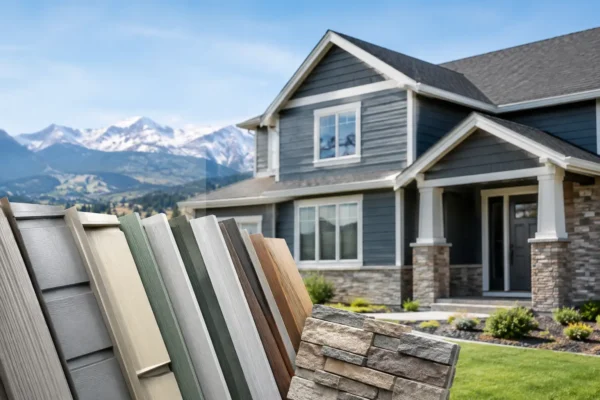

A Colorado Springs home can take a beating from hail, high winds, intense sun, temperature swings, and winter moisture. When siding starts cracking, warping, fading, or pulling away from the wall, the question is not simply what looks best. The right siding replacement options need to protect your home, fit your budget, and hold up in our Front Range climate.
A good siding decision starts with the condition of the home itself. Some damage is limited to a few boards or panels, while other homes have hidden moisture issues, aging house wrap, or storm damage affecting the roof, gutters, windows, and siding at the same time. Replacing siding is an opportunity to address those details correctly rather than cover them up.
Start With What Your Home Needs
Before choosing a material, consider why you are replacing the siding. If hail has cracked vinyl panels or chipped painted wood, an insurance claim may help with eligible storm-related repairs. Coverage depends on your policy, the documented damage, and the insurance carrier’s assessment. It should never be assumed, but it is worth having the exterior inspected after a significant storm.
If the issue is age, fading, repeated maintenance, or poor energy performance, your priorities may look different. You may want a material that needs less upkeep, improves curb appeal, or coordinates with replacement windows and gutters. A contractor should inspect the siding, trim, flashing, and wall structure before recommending a product. No shortcuts. No surprises.
Colorado’s climate also calls for realistic expectations. No siding material is maintenance-free, hail-proof, or immune to installation mistakes. The best choice is usually the one that balances durability, appearance, budget, and the level of care you are willing to provide over time.
Popular Siding Replacement Options
Vinyl siding
Vinyl remains a common choice because it is affordable, available in many colors, and relatively easy to maintain. It does not need routine painting, and occasional washing is usually enough to keep it looking clean. For homeowners replacing older siding on a budget, vinyl can offer a major visual improvement without the higher material cost of premium products.
The trade-off is impact resistance. Quality vinyl can perform well in ordinary weather, but severe hail, flying debris, and extreme temperature changes can crack or damage panels. Darker colors may also show fading or heat-related movement more readily than lighter shades. If you choose vinyl, ask about panel thickness, warranty terms, insulation options, and the contractor’s plan for proper fastening and expansion gaps.
Fiber cement siding
Fiber cement is a strong fit for many Colorado homes. It can resemble painted wood lap siding, vertical panels, or shakes while offering good resistance to fire, moisture, insects, and rot. It is also more stable than vinyl in changing temperatures and provides a durable, upscale appearance.
Fiber cement does require more investment upfront and needs proper installation. Incorrect clearances around roofing, soil, decks, and windows can allow moisture problems to develop. The material is also heavy, so experienced installation matters. Factory-finished products can reduce painting needs, but homeowners should still plan for periodic paint maintenance over the life of the siding.
For households that want the look of wood without wood’s frequent upkeep, fiber cement is often one of the most balanced siding replacement options available.
Engineered wood siding
Engineered wood siding offers the warmth and texture many homeowners like about traditional wood, usually with lower maintenance requirements and a more accessible price than some premium alternatives. It is designed to resist fungal decay and insect damage, and it can be installed in lap, panel, and shake styles.
Its long-term performance depends heavily on managing moisture. Proper flashing, caulking, paint or finish maintenance, and ground clearance are not optional details. When installed carefully and maintained as recommended, engineered wood can be a beautiful choice for homeowners who want a classic Colorado look.
Natural wood siding
Natural wood has character that manufactured materials cannot fully duplicate. Cedar and other wood products can suit historic homes, mountain-style properties, and homeowners who value a traditional appearance. It can be painted or stained in a wide range of colors and refinished when tastes change.
That beauty comes with responsibility. Wood needs regular inspection for peeling paint, moisture intrusion, insect activity, and sun exposure. In a region with strong sun and changing weather, maintenance can be more frequent than homeowners expect. Wood may be the right fit when its appearance is a priority and you are prepared to protect it consistently.
Metal siding
Metal siding, including steel and aluminum products, can provide a clean, modern appearance and strong durability. It is noncombustible, resistant to insects, and often a practical choice for contemporary designs or accent walls. Some products are also made with recycled content.
The considerations are noise, dents, and style. Hail and debris can dent certain metal panels, and a full metal exterior is not the visual match for every neighborhood or home design. Still, metal can work well as part of a mixed-material exterior, especially around entryways, gables, or architectural features.
Look Beyond the Siding Boards or Panels
A siding project is only as dependable as the work behind the visible surface. The siding itself is important, but so are the water-resistant barrier, flashing, trim, caulking, ventilation details, and transitions around windows and doors. These parts direct water away from the wall and help prevent expensive damage that may not be visible until much later.
This is also the time to evaluate energy efficiency. New siding alone does not automatically make a home energy efficient, but insulated vinyl, foam backing, and air-sealing improvements may reduce drafts and improve comfort. If windows are old or trim is deteriorated, coordinating those repairs during a siding project can prevent duplicate labor and mismatched exterior details.
Color deserves practical thought too. Deep colors can look striking, but they absorb more heat and may fade faster in intense Colorado sun depending on the product. Consider the roof color, masonry, trim, neighborhood character, and how the home looks at different times of day. Samples held against the house are more useful than small swatches viewed indoors.
How to Compare Costs Without Chasing the Lowest Bid
Siding costs vary widely based on material, home size, wall height, architectural details, removal of old siding, repairs beneath the siding, trim, and labor. A low estimate may leave out necessary work, use thinner materials, or provide little detail about how water management will be handled.
Ask for a written scope that identifies the material, color, trim, tear-off work, wall repairs, flashing, cleanup, and warranty information. If storm damage is involved, make sure the estimate separates covered damage from elective upgrades. That clarity helps you understand what insurance may address and what would be your responsibility.
It is also wise to compare craftsmanship, not just totals. Licensed and insured local professionals should be willing to explain their recommendations in plain language, answer questions about the installation process, and communicate when work will begin. A siding project affects one of your home’s main protective layers. The value comes from the full system being installed correctly.
Choosing a Contractor You Can Trust
The contractor should make the process easier, not more confusing. Look for clear communication, a local track record, written documentation, and a willingness to inspect the whole exterior rather than sell one product immediately. If a recent storm caused the damage, choose a team that can document the loss and help you understand the insurance process without making promises they cannot keep.
Tither Roofing and Construction helps Colorado Springs-area homeowners coordinate exterior repairs with straightforward guidance, from siding and gutters to roofing and windows. As a family-owned local company, we treat your home like it is our own and keep the focus on the work your home actually needs.
The best next step is simple: schedule an inspection before small cracks, loose panels, or moisture stains become a larger repair. A clear assessment gives you room to compare materials thoughtfully and choose protection that will serve your home for years.