
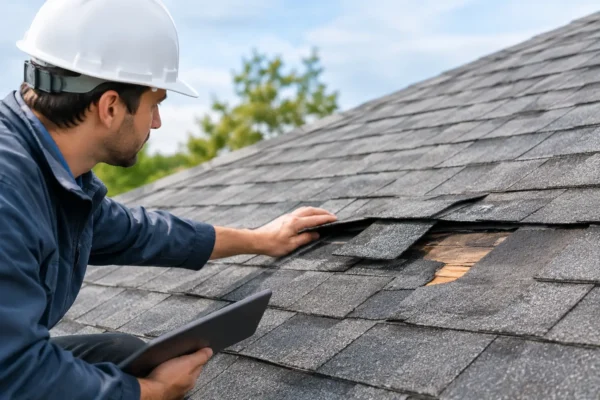

A few missing shingles may look like a small cosmetic problem from the driveway. On a Colorado Springs roof, they can be an open invitation for wind-driven rain, melting snow, and ice to reach layers that were never meant to be exposed. So, can missing shingles cause leaks? Yes. They can, and the leak may begin long before you see a water stain on the ceiling.
Your roof works as a layered system. Shingles are the first line of defense, but the underlayment, flashing, decking, ventilation, and gutters all play a role in moving water away from your home. When shingles blow off or crack after a storm, that system becomes vulnerable. The sooner the area is inspected and repaired, the more likely you are to avoid a larger, more expensive issue.
Why missing shingles can lead to roof leaks
Shingles overlap for a reason. Each course helps shed water onto the shingle below it and eventually into the gutter. Remove one or more pieces, and rain can get beneath the surrounding shingles instead of flowing safely down the roof.
The underlayment beneath the shingles provides a secondary layer of protection, but it is not designed to serve as the roof’s long-term exterior surface. Sunlight can weaken it, wind can lift it, and water can find gaps around fasteners, seams, valleys, vents, or flashing. In Colorado, repeated freeze-thaw cycles can make that exposure worse. Water enters a small opening, freezes, expands, and creates a larger path for the next storm.
A missing shingle does not guarantee an immediate drip inside the home. Sometimes the decking and underlayment keep water out for a while. That delay is exactly why homeowners can underestimate the problem. By the time water appears indoors, moisture may have already affected roof decking, insulation, or the framing around the leak.
Where leaks are most likely to start
Any missing shingle deserves attention, but location matters. A lost shingle in the middle of a broad roof slope may be easier to repair than damage near a roof transition. Areas around chimneys, skylights, plumbing vents, dormers, valleys, and sidewalls rely on carefully installed flashing to direct water away.
Missing shingles near the roof edge can also create trouble. Wind can catch the exposed edge of nearby shingles and loosen more of them. If the damage is close to a gutter, water may run behind the gutter instead of into it, affecting fascia boards and soffits.
Hail and high winds often create more than one problem. A homeowner may notice a few shingles on the ground, while less obvious damage remains on the roof. Bruised shingles, lifted tabs, damaged flashing, and granule loss can all shorten the life of the roof and create future leak points.
Wind damage is not always obvious
After a strong Front Range windstorm, shingles can lift and settle back into place. From the ground, the roof may appear normal. But the seal strip may be broken, nails may be exposed, or the shingle may no longer lie flat. Once its seal is compromised, that shingle is more likely to lift again during the next storm.
This is one reason a professional inspection is useful after severe weather. It is not about finding damage where none exists. It is about seeing the areas that are difficult and unsafe for a homeowner to evaluate from a ladder.
Signs a missing-shingle leak may already be developing
A ceiling stain is a clear warning, but it is not the only one. Watch for damp spots or peeling paint near ceilings, a musty odor in an upper room, wet insulation in the attic, darkened roof decking, or visible daylight where it should not be. Outside, look for shingles in the yard, bare patches on the roof, curled edges, loose flashing, or unusual amounts of shingle granules in gutters.
Be careful with what you see indoors. Water does not always travel straight down from the damaged section. It can run along decking or framing before it reaches your ceiling, so the stain may be several feet away from the actual entry point.
If you see active dripping, protect the interior first. Move valuables away from the area, place a container beneath the drip, and avoid using light fixtures or electrical equipment near water. If a ceiling is sagging, keep people out of that area. Then arrange for a prompt roof assessment.
What to do when shingles are missing
Do not wait for the next rainy day to decide whether the roof needs attention. Take a few photos from a safe location and note when you first noticed the damage. If shingles came off after hail, high winds, or another documented storm, those details can also be helpful for an insurance claim.
Avoid climbing onto the roof to make a quick repair unless you have the proper safety equipment and roofing experience. Walking on a damaged roof can cause more harm, and a temporary patch installed incorrectly can trap water or interfere with a later repair. Covering the area with a tarp may be appropriate in an emergency, but it should be secured without driving unnecessary fasteners through the roof.
A qualified roofer can determine whether the fix is limited to replacing a few shingles or whether the damage affects a broader section of the roof. They can also check whether replacement shingles can be matched in color and profile. On an older roof, an exact match may be difficult, which is one of several factors to consider when comparing a focused repair with replacement.
Repair or replacement? It depends on the full condition
Replacing a few missing shingles is often the right answer when the rest of the roof is in good condition, the damage is localized, and matching materials are available. A timely repair can restore the roof’s weather protection and help prevent moisture from reaching the decking.
Replacement may make more sense when shingles are brittle, widespread wind or hail damage is present, repairs have become frequent, or the roof is nearing the end of its service life. A roof with multiple weak areas can keep creating new problems, even after the most visible missing shingles are replaced.
Age alone should not make the decision for you. Some roofs have years of life left, while others need more attention sooner because of storm exposure, installation quality, ventilation, or material condition. An honest inspection should explain what is damaged, what can reasonably be repaired, and what each option means for your home and budget. No shortcuts. No surprises.
Insurance may help after storm damage
If wind or hail caused shingles to go missing, your homeowners insurance may cover eligible repairs or replacement, subject to your policy, deductible, and the insurer’s findings. Normal aging, deferred maintenance, and wear are commonly treated differently than sudden storm damage.
Do not assume that a few missing shingles are too minor to document. A professional inspection can identify related storm damage that is not visible from the ground. Keep any photos, storm dates, and correspondence in one place. If you decide to file a claim, clear documentation can make the process easier.
Tither Roofing and Construction helps local homeowners understand roof damage and coordinate the repair process, including support when an insurance claim is involved. The goal is straightforward guidance, not pressure to choose work your roof does not need.
Protect the roof before the next storm
Missing shingles are a repair issue, but regular upkeep helps reduce the chances of a small problem becoming a leak. Keep gutters clear enough to move water away from the roof edge. Trim branches that scrape the roof or drop debris into valleys. After major storms, walk around the property and look for shingles, metal flashing, or other roofing material on the ground.
It also helps to have the roof checked if you are buying a home, preparing to sell, or have not had an inspection after a significant hail or wind event. A clear picture of the roof’s condition gives you time to make decisions before water forces the issue.
Your home should not have to prove there is a problem with a ceiling stain. If shingles are missing, a prompt, professional look can protect the roof, the rooms beneath it, and your peace of mind before Colorado weather gets another chance to test it.