
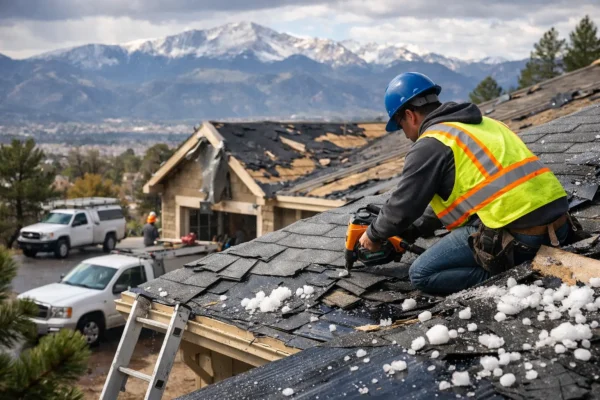

A hard Colorado Springs hailstorm can leave a roof looking perfectly normal from the driveway while shingles, flashing, gutters, and siding have taken a real hit. That uncertainty is why storm restoration should start with a careful inspection, not a quick guess or a rushed signature. The goal is simple: find what the storm damaged, protect the home from further exposure, and make a clear plan for the repairs.
For homeowners, the difficult part is rarely just the construction work. It is knowing what to do first, deciding whether to file an insurance claim, and finding a contractor who will explain the options honestly. No shortcuts. No surprises.
What Storm Restoration Really Includes
Storm restoration is the process of assessing and repairing exterior damage caused by hail, wind, heavy rain, snow, or falling debris. A roof may be the most obvious concern, but a complete restoration looks beyond the shingles. Storms can damage the parts of your exterior that work together to keep water out and protect your investment.
Depending on the storm and the age of the home, restoration may include roof repair or replacement, gutter replacement, siding repair, window or door assessment, and repairs to flashing, vents, fascia, or other vulnerable trim. A strong wind event may lift or crease shingles. Hail can bruise the shingle mat beneath the surface, knock granules loose, dent soft metal, and crack older siding. Heavy rain can expose a small leak that has been quietly developing for years.
Not every mark calls for a full replacement. That is where an honest inspection matters. A few repairable issues should be treated as repairs. Widespread hail damage, active leaks, or compromised materials may justify a larger restoration project. The right answer depends on the condition of the home, the extent of damage, the available matching materials, and what the insurance policy covers.
What to Do After a Colorado Storm
Safety comes first. If you see a downed power line, major structural damage, or water entering the home near electrical equipment, keep clear and contact the appropriate emergency service or utility provider. Do not climb onto the roof to inspect it yourself, especially when surfaces are wet, icy, or covered in debris.
Once it is safe, take a slow walk around the property from the ground. Look for shingles in the yard, bent gutters, dented downspouts, cracked window screens, damaged siding, or branches resting against the house. Inside, check ceilings, attic spaces, and upper walls for water stains, damp insulation, or new discoloration.
Photos and videos can be helpful, particularly when they are taken soon after the storm. Capture wide shots of the home as well as close-up images of visible damage. If you need an emergency tarp or temporary repair to stop active water intrusion, keep receipts and document the condition before and after the temporary work.
Then schedule a professional exterior inspection. Hail impacts and wind damage are not always visible from the ground, and a trained inspector can separate storm-related concerns from ordinary aging or prior wear. That clarity can keep a minor issue from becoming a larger water problem during the next Front Range storm.
The Insurance Claim Process Should Not Feel Like a Fight
Homeowners insurance may cover qualifying storm damage, but policies differ. Your deductible, the age and condition of the materials, prior claims, exclusions, and the type of coverage all affect the final outcome. A contractor should never promise that an insurer will approve a claim or tell you to hide information from your carrier. Those are red flags.
A better approach is straightforward: document the damage, review your policy, and decide whether filing a claim makes sense for your situation. If you move forward, the insurance company will typically schedule an adjuster inspection and prepare an estimate for covered repairs. That estimate may need clarification if it misses visible damage, necessary code-related work, or components required to restore the exterior correctly.
Tither Roofing and Construction helps homeowners through this process by providing a detailed damage assessment, meeting with adjusters when appropriate, and coordinating the scope of work with the carrier. You should still remain involved in the decisions and understand your deductible, but you do not have to sort through every roofing term or repair line item alone.
Be cautious with anyone who pressures you to sign immediately after a storm, offers to cover or waive your deductible, or demands a large payment before materials are ordered. Local accountability matters when a project involves your home and an insurance claim. Ask questions until the answers make sense.
How a Quality Storm Restoration Project Moves Forward
A reliable project has a clear beginning, middle, and finish. First comes the inspection and a plainspoken explanation of the findings. You should know whether the recommendation is a targeted repair, a roof replacement, or a coordinated exterior project that includes gutters, siding, or other damaged components.
Next comes planning. This includes material selection, color choices, scheduling, permit needs when applicable, and insurance coordination. A good contractor will explain what is being replaced and why. They should also set realistic expectations around weather delays, material availability, and any work that cannot be fully understood until old materials are removed.
During installation, the crew should protect landscaping and access areas, remove damaged materials carefully, and address the underlying system rather than simply placing new materials over a problem. Roof restoration is not just about fresh shingles. It is about sound decking where needed, properly installed underlayment, ventilation, flashing, and water-shedding details around penetrations and edges.
The final walkthrough is just as important. Review the completed work, confirm that debris has been removed, and ask how to care for the new exterior. Keep copies of your contract, warranty information, invoices, photos, and insurance paperwork in a safe place. Those records can be useful for future maintenance, refinancing, or selling the home.
Why Gutters, Siding, and Windows Deserve Attention Too
A storm-damaged roof can get all the attention while other exterior damage goes unnoticed. Gutters that are dented, loose, or improperly pitched may send water toward the foundation instead of away from it. Damaged siding can allow moisture behind the exterior wall. Broken seals around windows and doors can affect comfort, efficiency, and protection from wind-driven rain.
Coordinating these repairs at the same time can make practical sense, particularly after a larger storm claim. It can reduce scheduling headaches, create a more consistent finished appearance, and ensure adjoining materials are installed in the right order. Still, combining projects is not always necessary. If only the roof has qualifying damage and the rest of the exterior is in good condition, a focused roof project may be the better choice.
The key is to make decisions based on your home’s actual condition, not a one-size-fits-all sales pitch.
Choosing a Storm Restoration Contractor
After a major weather event, homeowners often hear from contractors they have never seen in the neighborhood before. Some may do good work, but storm-chasing operations can be difficult to reach once the work is complete. Choosing a licensed and insured local contractor gives you a clearer path to communication, warranty support, and accountability.
Before signing, ask for a written scope of work and make sure it identifies the materials, expected work, payment terms, and who will communicate with your insurance carrier. Confirm that the contractor can explain the difference between storm damage and normal wear. Pay attention to how they handle your questions. Clear answers before the job are a good sign of how the project will be managed afterward.
It is also worth choosing a company whose values show up in its work. Honest pricing, careful craftsmanship, and respect for your property are not extras. They are the foundation of a restoration project you can feel good about.
A storm can make your home feel vulnerable, but the next step does not have to be complicated. Start with a professional inspection, keep good documentation, and work with people who treat your home like it is their own. A timely, well-planned repair can protect your family, preserve the value of your home, and help you face the next Colorado weather forecast with greater confidence.