
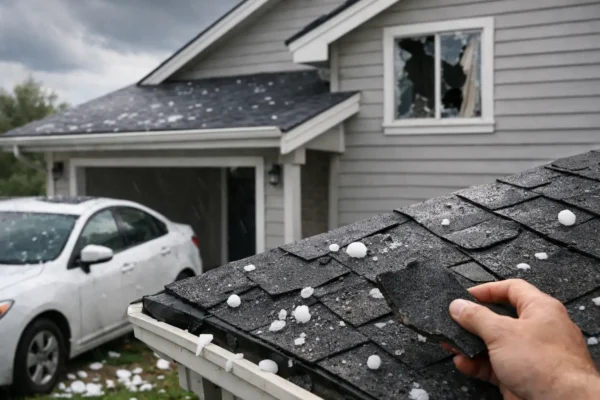

A hailstorm can be over in minutes, yet the damage it leaves behind may not be obvious from the ground. That is why a homeowners guide to hail damage should start with one simple rule: do not assume your roof is fine just because you do not see missing shingles. In Colorado Springs and across the Front Range, hail can bruise shingles, crack siding, dent gutters, and shorten the life of materials that were protecting your home just hours earlier.
The right next steps can make a real difference. A calm, documented response helps protect your property, supports a legitimate insurance claim, and gives you the information you need to make a confident repair decision. No shortcuts. No surprises.
What Hail Damage Can Do to Your Home
Hail damage is not always dramatic. Large hail can knock off shingle granules, crack fiberglass mats, expose underlying materials, and create dents in metal components. Smaller hail can still cause widespread damage when it falls hard, travels with high winds, or strikes an older roof that has already experienced years of Colorado sun and temperature swings.
On an asphalt shingle roof, hail often leaves circular dark spots where protective granules have been knocked loose. The shingle may feel soft or bruised when inspected by a trained professional. Those bruises can weaken the shingle over time, making it more likely to crack, shed granules, or allow water intrusion.
Your roof is not the only concern. Check for signs of impact on gutters, downspouts, roof vents, metal flashing, window screens, siding, fencing, outdoor furniture, and vehicles. Damage to these areas does not prove roof damage by itself, but it helps establish that hail affected your property.
Your Homeowners Guide to Hail Damage: First Steps
After the storm has passed and it is safe to go outside, begin by protecting people and documenting what you can see. Do not climb onto the roof or walk on a potentially damaged surface. A wet roof is dangerous, and even a dry roof can have weakened shingles or hidden soft spots.
Start with photos and video from the ground. Capture the date if your device allows it, and photograph hailstones next to a ruler or common object for scale if they are still present. Take wide shots of your home, then closer photos of dented gutters, damaged screens, broken outdoor fixtures, fallen branches, and other visible impacts.
Inside, look for fresh water stains on ceilings, damp attic insulation, dripping around light fixtures, or moisture near windows. If water is actively entering your home, move belongings away from the area and use a container to catch drips if possible. Contact a qualified roofing professional promptly for temporary protection and a full assessment.
It is also wise to write down the approximate time of the storm, the direction the wind was blowing, and any damage you noticed. These details can be useful when speaking with your insurance carrier or comparing the inspection findings with the storm event.
Know the Difference Between Damage and Wear
Colorado roofs take a beating from sun, snow, wind, and rapid temperature changes. Not every mark on a roof is hail damage, and an honest inspection should separate storm-related impact from normal aging, installation issues, or mechanical damage.
For example, blistering from heat, worn granules, or scuffs caused by foot traffic may resemble hail damage to an untrained eye. A reputable local contractor will explain what they see, show you the affected areas when possible, and avoid promising an insurance outcome before the evidence supports it.
This distinction matters because insurance policies generally cover sudden, accidental storm damage, not ordinary wear and tear. A roof near the end of its service life may need replacement even without a covered claim. On the other hand, a roof that looks mostly intact from the driveway may have enough functional hail damage to justify repair or replacement. It depends on the material, the extent of impact, local building requirements, and your policy coverage.
Get a Professional Inspection Before Making Big Decisions
A professional inspection gives you a clear picture of the condition of your roof and exterior. Ask for an inspection that considers the entire system, not just the shingles. That includes flashing, vents, pipe boots, gutters, siding, skylights, and areas where water may enter.
Be cautious with anyone who arrives uninvited immediately after a storm and pressures you to sign paperwork on the spot. Storms can attract out-of-town crews that may not be available later if a problem comes up. A local, licensed, and insured contractor has a reputation to protect in the community and should be willing to answer direct questions about scope, materials, timing, warranties, and communication.
A good contractor should also be comfortable telling you when damage is minor or when a repair may be the practical choice. Replacement is not automatically the right answer for every roof. If the affected area is limited and matching materials are available, a repair may restore protection at a lower cost. If damage is widespread, the roof is older, or repairs would create patchwork coverage and appearance concerns, replacement may be the more dependable long-term solution.
How to Handle the Insurance Claim Process
If the inspection identifies likely hail damage, review your homeowners insurance policy and contact your carrier to begin a claim. Have your policy number, storm date, photos, and initial inspection information ready. Your insurer will typically assign an adjuster to inspect the property and determine what damage is covered under your policy.
Your deductible is your responsibility, and it is not something a contractor should offer to waive or hide through discounts. Honest pricing protects you from trouble later and keeps the project on solid ground.
It also helps to understand that an insurance estimate is often the starting point, not always the final word. An adjuster may not see every issue during an initial inspection, especially if damage is concealed by roofing materials or becomes clear only after work begins. When legitimate additional damage is found, your contractor can document it and communicate with the insurance company through the proper supplemental process.
Keep copies of every estimate, claim document, photo, receipt, and email. Ask questions when a line item is unclear. You should understand what work is being paid for, what is excluded, whether code-related upgrades apply, and whether depreciation may be released after the work is completed.
Tither Roofing and Construction helps homeowners through this process with straightforward inspections, clear documentation, and hands-on coordination with insurance carriers. The goal is not to make the process more complicated. It is to help you understand what your home needs and what your policy may cover.
Avoid These Common Hail Claim Mistakes
Waiting too long is one of the most common problems. Many policies have deadlines for reporting storm damage, and even when a claim remains available, delay can make it harder to connect the condition of the roof to a specific storm. Schedule an inspection soon after a notable hail event, even if you do not see a leak.
Another mistake is approving work based only on a verbal promise. Before construction begins, make sure you have a written agreement that explains the work scope, materials, payment schedule, cleanup expectations, and who will handle permits if they are required. A clear contract protects everyone involved.
Finally, do not focus only on the insurance payment amount. The quality of installation, ventilation details, flashing work, material compatibility, and jobsite cleanup all affect how well your home is protected after the project is complete. The lowest number is not always the best value if it leaves out work your home genuinely needs.
Protect Your Home After Repairs Are Complete
Once repairs or replacement are finished, keep your paperwork in a safe place. Save product and workmanship warranty information, final invoices, photos of the completed work, and any insurance documentation. These records can help with future claims, home maintenance, or a future sale.
Ask your contractor how often your roof and exterior should be checked. In the Colorado Springs area, a visual inspection after major storms and a professional evaluation when concerns arise can catch small issues before they become interior repairs. Keep gutters clear, trim branches away from the roof, and pay attention to changes around attic vents, ceilings, and exterior trim.
A hailstorm is stressful because the damage can be hard to see and the decisions can feel urgent. You do not have to make those decisions alone or rush into an agreement you do not understand. Start with a careful inspection, keep good records, and choose people who will treat your home like it is their own.