
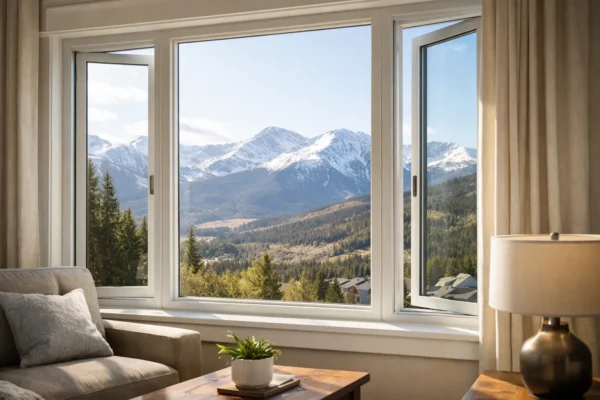

A sunny Colorado Springs afternoon can warm one side of your home while a cold night exposes every draft around an older window. Energy efficient windows help manage both extremes. They can make rooms more comfortable, reduce strain on your heating and cooling system, and improve the look and function of your home at the same time.
For Front Range homeowners, window replacement is rarely just about getting new glass. It is about stopping cold spots near the couch, reducing outside noise, protecting interior finishes from harsh sun, and choosing an upgrade that makes sense for the home you plan to keep.
What Makes Energy Efficient Windows Different?
A window is more than glass in a frame. Its efficiency depends on the glazing, frame material, spacers, weatherstripping, and the quality of the installation. A high-quality window can still underperform if it is poorly fitted, flashed incorrectly, or left with gaps around the opening.
Most energy efficient windows use two or three panes of glass with a sealed space between them. That space may contain argon or another insulating gas, which slows heat transfer. Many also include a low-emissivity, or Low-E, coating. This nearly invisible coating helps reflect heat where it is needed – back into your home during colder months and away from the interior during intense summer sun.
The goal is not to make your home completely airtight or eliminate every temperature change. Colorado weather changes quickly. The goal is to create a more stable indoor environment while reducing unnecessary heat loss, solar heat gain, and air leakage.
The Window Ratings That Matter Most
Window labels can feel technical, but homeowners do not need to memorize every detail. A few ratings make a meaningful difference when comparing options.
U-factor measures how readily a window transfers heat. Lower numbers generally mean better insulation. In Colorado Springs, where winter mornings can be sharp and dry, a lower U-factor is often a priority.
Solar Heat Gain Coefficient, or SHGC, measures how much solar heat passes through the window. Lower SHGC can help control overheating and glare, especially on large west- and south-facing windows. But a very low number is not automatically best for every opening. A south-facing room that feels cold in winter may benefit from allowing some useful solar warmth inside.
Air leakage indicates how much air can pass around a closed window. Lower is better. Drafts often come from worn seals, poor installation, or a window that no longer closes tightly, not only from the glass itself.
Visible transmittance describes how much natural light comes through. Homeowners often want improved efficiency without making a room feel dim. The right glass package can balance daylight, privacy, and heat control.
A trusted contractor can explain these numbers in plain language and help match them to your home’s orientation, shade, and comfort concerns. There is no single rating that fits every room.
Signs Your Current Windows Are Costing You Comfort
Older windows do not have to be broken to be worth replacing. Sometimes the signs are subtle: a bedroom that stays noticeably colder than the rest of the house, a living room that gets uncomfortably hot late in the day, or curtains that move when the window is shut.
Condensation between panes is a more direct warning sign. It usually means the seal on an insulated glass unit has failed. Moisture trapped between the glass reduces clarity and efficiency. Peeling paint, soft wood around the frame, water stains, or windows that stick when opening may point to a larger moisture or framing issue that should be addressed before replacement.
Outside noise is another factor. Double- or triple-pane options can help reduce sound from traffic, neighbors, and wind, though no window makes a home completely silent. If noise reduction is a primary goal, discuss it upfront because glass thickness and laminated glass options can affect the result.
Choosing the Right Window Style and Frame
Energy savings matter, but daily use matters too. A window that is hard to operate or does not fit the room can become a frustration long after installation day.
Vinyl windows are a common choice because they are low-maintenance, resist moisture, and can offer strong insulating performance at a practical price point. Fiberglass is durable and stable through temperature changes, but it may cost more. Wood offers a traditional appearance and natural insulating value, although it requires more maintenance. Composite options can provide a balance of durability and appearance, depending on the product.
The operating style also affects ventilation and convenience. Double-hung windows suit many traditional homes and allow flexible airflow. Casement windows crank outward and typically seal tightly when closed. Sliding windows are simple and useful in wider openings, while picture windows provide expansive views and daylight but do not open for ventilation.
For a home with several failing windows, replacing them in phases can be reasonable. Start with the rooms that are most uncomfortable, the windows with moisture damage, or openings exposed to the strongest wind and sun. Replacing every window at once may provide a more consistent appearance and performance, but a phased plan can help homeowners manage their budget without ignoring the problem.
Installation Is Where Efficiency Becomes Real
A replacement window is only as good as the work around it. The installer should inspect the opening for water damage, confirm that the window is properly sized, and make sure exterior details direct water away from the home. The frame needs to be level, square, insulated appropriately, and sealed without blocking drainage paths.
This is especially important after hail, wind, or heavy rain. Storm damage can affect more than shingles. Cracked glass, damaged screens, dented exterior trim, and compromised siding around a window can all deserve attention. If a storm has damaged multiple exterior components, coordinating repairs can help ensure the finished work looks consistent and protects the home as a complete system.
Be cautious with quotes that focus only on a low per-window price. Ask what is included: removal and disposal, trim work, insulation, sealing, exterior flashing, repairs to damaged wood, cleanup, and warranty coverage. Honest pricing means understanding the scope before work begins, not being surprised by necessary details later.
Will New Windows Lower Your Energy Bills?
Energy efficient windows can reduce energy waste, but savings vary. The biggest improvements usually happen when replacing single-pane windows, failed insulated units, or windows with serious air leakage. Homes with aging HVAC equipment, limited attic insulation, or poorly sealed doors may have other sources of energy loss as well.
That is why window replacement should be viewed as part of a broader home-exterior and comfort plan. Proper attic insulation, roof ventilation, siding condition, and door seals all influence how your home handles Colorado weather. A new window will improve a weak opening, but it cannot solve every draft caused elsewhere in the house.
There are also trade-offs. Triple-pane glass can offer excellent insulation and sound reduction, but it adds cost and weight. Premium frames may hold up well for decades, but the added investment may not be necessary for every room. The best choice is the one that addresses your home’s real conditions, supports your budget, and is installed with care.
A Clear Path to Better Windows
Before choosing a product, walk through your home at different times of day. Notice which rooms feel cold, hot, noisy, or overly bright. Check for sticking sashes, damaged trim, fogged glass, and moisture around the frame. These details give your contractor a clearer picture than square footage alone.
At Tither Roofing and Construction, homeowners can get straightforward guidance on window upgrades alongside roofing, siding, doors, and storm-restoration work. The focus is simple: identify what needs attention, explain the options clearly, and complete the work with care for your home and your investment.
A free, no-obligation consultation can turn a frustrating draft or failing window into a practical plan. No shortcuts. No surprises. Just a more comfortable home built to handle the next Colorado season.