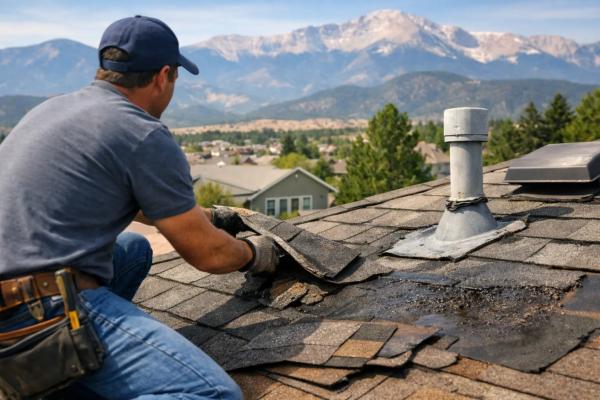

A water spot on the ceiling may look small, but it rarely tells the whole story. Roof repair is often the difference between correcting a manageable issue and dealing with damaged insulation, stained drywall, mold growth, or structural rot later. In Colorado Springs, intense sun, hail, high winds, snow, and fast temperature swings can all wear down a roofing system faster than homeowners expect.
The good news is that not every roof concern calls for a full replacement. A prompt inspection can identify whether a few missing shingles, damaged flashing, or a failing vent seal is allowing water in. The key is acting before the next storm turns a minor problem into a larger one.
Roof Repair Signs You Should Not Ignore
Your roof does not need to be actively leaking into the living room to need attention. Many roofing problems begin quietly, behind shingles or in the attic, where they can continue to spread unnoticed.
Inside your home
Start with the spaces below the roofline. Brown ceiling stains, peeling paint, bubbling drywall, and a musty smell in an upper-level room can all point to moisture intrusion. Check the attic, too, especially after heavy rain or snowmelt. Damp insulation, darkened wood, visible daylight, or moisture around vents are reasons to schedule an inspection.
A higher energy bill can also be part of the picture. When water compromises insulation or gaps form around roof penetrations, your home may lose heated or cooled air. That does not automatically mean the roof is the source, but it is worth checking before the issue grows.
From the ground
You can spot several warning signs without climbing a ladder. Look for shingles that are curled, cracked, loose, or missing. Dark patches may indicate shingle granules have worn away, while a pile of granules near downspouts can signal that shingles are nearing the end of their useful life.
Pay attention to roof valleys, chimneys, skylights, plumbing vents, and the areas where the roof meets a wall. These transitions rely on flashing and sealants to direct water away. Wind and hail can damage these details even when the larger roof surface appears fine from the street.
After a storm, walk around the property and look for bent gutters, dented downspouts, torn screens, damaged siding, or fallen branches. Those visible signs do not prove roof damage, but they make a professional roof inspection especially worthwhile.
When Roof Repair Makes More Sense Than Replacement
A good contractor should not treat every concern as a replacement project. If damage is limited to one area and the rest of the roof is in sound condition, a targeted repair can restore protection and extend the roof’s life.
Repairs are commonly appropriate for a small number of wind-damaged shingles, a localized leak around flashing, a damaged pipe boot, loose ridge material, or a minor puncture from debris. A repair may also make sense when a newer roof has isolated hail damage that has not compromised the broader system.
There are trade-offs. Matching replacement shingles to an older roof can be difficult because sun exposure changes color over time. Repairs also need to tie into the existing roof correctly. Covering damage with caulk or adding a patch without addressing the source of the leak may only delay the problem.
Replacement deserves a serious conversation when damage is widespread, leaks have occurred in several places, shingles are brittle across the roof, or the roof is near the end of its expected service life. In some storm-damage situations, insurance coverage may apply to a full replacement rather than a repair. The answer depends on the documented damage, your policy, and the carrier’s assessment.
What to Do After Hail or Wind Damage
Colorado weather can make homeowners feel rushed, especially when a hailstorm hits the neighborhood and contractors begin knocking on doors. Take the concern seriously, but do not let urgency push you into a decision before you have clear information.
First, make a simple record of the storm date and photograph any visible exterior damage from the ground. If water is coming in, move belongings out of the affected area and use a container to catch drips. For a sudden opening in the roof, temporary protection may be needed to prevent additional damage until permanent work can be completed.
Then arrange a qualified inspection. Hail damage can be hard to identify without training because bruised shingles may still look intact from the ground. An experienced local roofer can assess the roofing materials, flashing, vents, gutters, and other exterior components, document findings, and explain the recommended next step in plain language.
If you decide to file an insurance claim, keep copies of estimates, photographs, inspection notes, and communication with your carrier. Do not assume every visible mark is covered, and do not assume a denied or partial claim is the final word without understanding why. A contractor who understands storm restoration can help explain the scope of damage and coordinate with the insurance process, while the carrier makes the final coverage decision.
Why Local Roof Repair Experience Matters
Roofing is not just about installing shingles. It is about understanding how the entire system handles water, wind, ventilation, and changing weather. Colorado Springs homes face conditions that can expose weak installation details quickly, from powerful wind gusts along the Front Range to hail impacts and freeze-thaw cycles.
Choose a contractor who is licensed and insured, communicates clearly, and is willing to inspect the roof rather than quote from a guess. Ask what caused the problem, what work is proposed, and whether related components such as flashing, ventilation, gutters, or siding should be addressed at the same time. You deserve a written scope of work and straightforward pricing before work begins.
Be cautious of vague promises, pressure to sign immediately, or a contractor who cannot explain the repair in terms you understand. The lowest bid is not always the lowest cost if poor workmanship leads to another leak next season. Honest work means identifying what your home needs, not selling work it does not need.
At Tither Roofing and Construction, that approach begins with listening to the homeowner’s concerns, inspecting the exterior carefully, and offering practical guidance with no shortcuts and no surprises. A repair should protect your home, fit the condition of the roof, and give you confidence when the forecast changes.
Small Maintenance Steps That Help
Homeowners cannot prevent every hailstorm or wind event, but a little attention can reduce avoidable damage. Keep gutters and downspouts clear so water can move away from the roof and foundation. Trim branches that rub against the roof or could fall during high winds. After major storms, inspect from the ground and check the attic for new moisture.
It also helps to address small exterior concerns promptly. A loose gutter, failing seal around a vent, or missing shingle can allow water to reach places it was never meant to go. Waiting until a leak becomes obvious usually gives water more time to travel through the roof system.
Your roof quietly protects nearly everything your family values inside the home. If something looks off or a recent storm has you concerned, a timely inspection can bring clarity and help you make the right next decision with confidence.