
)
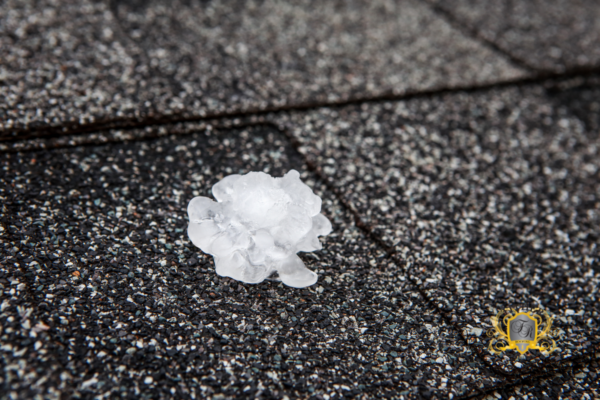
If you live in Colorado Springs, you already know—hail storms aren’t a matter of if, they’re a matter of when. And when they hit, your roof takes the brunt of it.
The tricky part?
Hail damage isn’t always obvious from the ground.
This guide will walk you through exactly how to spot hail damage, what to do next, and when it’s time to call a professional roofing company like Tither Roofing.
Why Hail Damage Is a Big Deal in Colorado Springs
Along the Front Range, hailstorms can produce stones large enough to:
- Crack shingles
- Knock off protective granules
- Expose your roof to long-term water damage
Even minor-looking damage can shorten your roof’s lifespan by years.
That’s why catching it early matters.
What Does Hail Damage Actually Look Like?
Not all damage looks dramatic. In fact, most of it is subtle.
Here’s what to look for:
On Asphalt Shingles:
- Dark spots or bruising (like a soft dent)
- Missing granules (looks patchy or shiny)
- Cracks or splits in shingles
- Random, scattered impact marks
Around Your Home:
- Dents on gutters, downspouts, or garage doors
- Damaged window screens
- Dings on AC units or outdoor furniture
If you’re seeing these signs around your property, there’s a good chance your roof took a hit too.
How to Safely Check Your Roof After a Storm
Before anything else—safety first. If your roof is steep or you’re unsure, skip this and call a pro.
If you’re comfortable doing a quick check:
Step-by-Step:
- Walk your property and look for collateral damage (gutters, siding, etc.)
- Use binoculars to inspect your roof from the ground
- Look for uneven patterns or discoloration
- Check your attic for:
- New leaks
- Water stains
- Damp insulation
⚠️ Avoid climbing on your roof right after a storm—it can be slippery and dangerous.
When Should You Call a Roofing Professional?
Short answer: sooner than later.
You should schedule an inspection if:
- Your neighborhood experienced a hailstorm
- You notice any of the signs above
- It’s been 6–12 months since your last inspection
At Tither Roofing, we provide honest, no-pressure inspections so you know exactly what you’re dealing with.
Should You File an Insurance Claim?
This is where many homeowners feel stuck.
Here’s a simple way to think about it:
- Minor cosmetic damage? You may not need a claim
- Functional damage (affecting performance)? It’s worth filing
Most insurance policies cover hail damage—but documentation is key.
That’s why a professional inspection helps:
- Identifies legitimate damage
- Provides photo documentation
- Helps you avoid unnecessary claims
How Long Do You Have to File a Claim in Colorado?
In most cases, homeowners in Colorado have up to 1 year from the date of the storm to file a claim.
But don’t wait.
Delays can:
- Make damage harder to prove
- Lead to denied claims
- Allow small issues to turn into expensive repairs
Repair or Replace: What’s the Right Move?
It depends on the severity of the damage.
- Minor damage → Simple repair
- Widespread impact damage → Full replacement may be recommended
A trustworthy roofer will walk you through both options clearly—without pushing you into something you don’t need.
Why Homeowners Choose Tither Roofing
When storms hit Colorado Springs, homeowners want a roofing company they can trust.
Tither Roofing is known for:
- Local expertise with Front Range weather
- Honest inspections (no gimmicks)
- High-quality craftsmanship
- Help navigating the insurance process
We treat your home like it’s our own—simple as that.
Schedule Your Free Roof Inspection
If your home was hit by a recent hailstorm, don’t guess—get answers.
👉 Schedule your free inspection today: Contact Tither Roofing
👉 Or give us a call to speak with a local roofing expert: 719-487-4591
FAQs About Hail Damage in Colorado Springs
How can I tell if my roof has hail damage without climbing up?
Look for signs like dented gutters, missing granules, or dark spots on shingles. You can also use binoculars or check your attic for leaks.
Is hail damage always covered by insurance?
Most homeowners insurance policies cover hail damage, but it depends on your policy and the extent of the damage.
Can hail damage be invisible?
Yes. Some damage (like bruising under shingles) isn’t visible from the ground but can still cause long-term issues.
How soon should I get my roof inspected after a storm?
Ideally within a few days to a couple of weeks. The sooner you document damage, the better.
What happens if I wait too long?
Waiting can lead to more severe damage, higher repair costs, and potential issues with insurance claims.